Same Certification, Wildly Different Flavor: The Hidden Forces Behind Organic Produce Taste
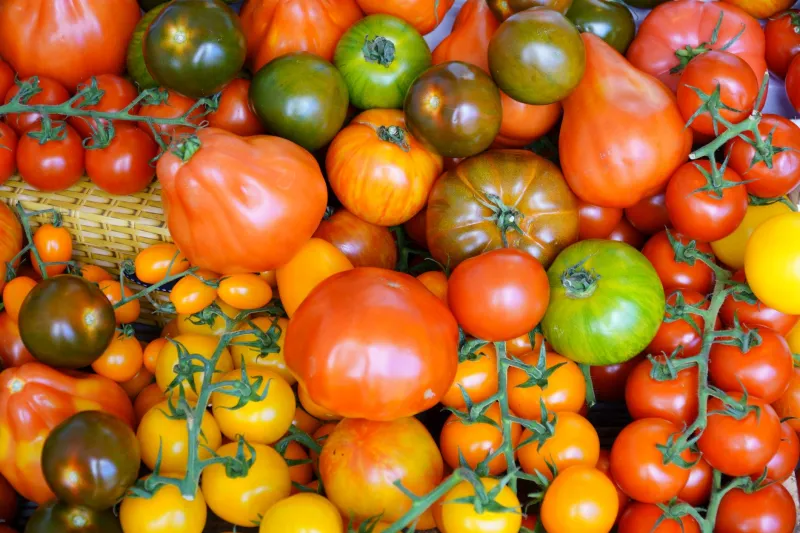
Picture this: you're at a farmers market in Portland, Oregon. Two booths, side by side, both flying certified organic flags, both selling Brandywine tomatoes. You grab a sample slice from each. One tastes like summer in a sentence — sweet, acidic, almost wine-like. The other tastes... fine. Respectable. But kind of like a better version of the grocery store tomato you've been trying to escape.
Same label. Same variety. Completely different experience.
This isn't a fluke, and it's not your imagination. It's one of the most underexplored conversations in the organic food world, and once you understand what's actually driving those differences, you'll never look at a certification sticker the same way again.
The Label Tells You What's Absent, Not What's Present
Here's the thing about USDA organic certification that most people don't fully absorb: it's fundamentally a list of don'ts. No synthetic pesticides. No GMOs. No sewage sludge fertilizers. No irradiation. The certification is doing something genuinely important — it's removing a whole category of harmful inputs from your food chain.
But it doesn't tell you a single thing about what is in the soil. And flavor? Flavor lives in the soil.
"The certification is the floor, not the ceiling," says one small-scale organic farmer in Vermont who's been growing mixed vegetables for over fifteen years. "Two farms can both be certified and have completely different philosophies about what they're actively building underground. That's where the real story is."
Soil biology — the living web of bacteria, fungi, nematodes, protozoa, and thousands of other organisms — varies enormously from farm to farm. And those organisms directly influence how nutrients move into plant tissue, how plants develop their secondary metabolites (the compounds responsible for complex flavors), and how efficiently roots access water and minerals.
A farm with rich microbial diversity isn't just avoiding bad things. It's actively creating conditions for flavor compounds to develop. A farm that's technically organic but has been using heavy tillage and minimal compost inputs for years might have soil that's biologically depleted — clean, but quiet.
Microclimate: The Variable Nobody Can Buy
Beyond soil biology, there's another force at work that no farmer can replicate or purchase: regional microclimate.
A strawberry grown in coastal California fog-belt conditions — cool nights, marine layer humidity, mineral-rich Pacific air — is metabolically stressed in ways that push the plant to produce more sugars and aromatic compounds as a kind of survival response. That same strawberry variety grown in the warm, dry valleys of the Southwest will develop differently, potentially faster but with a simpler flavor profile.
This is why wine grapes have terroir, and why produce does too — even if we haven't built that vocabulary into everyday food conversation yet.
Elevation matters. Soil drainage matters. The species of trees at the field's edge that influence wind patterns matter. The specific mineral composition of local groundwater matters. None of these factors show up on a certification label, but all of them are doing quiet, continuous work on every vegetable growing in that ground.
"I always tell people, you can't separate my carrots from this specific hillside," explains a biodynamic grower in Northern California's Sonoma County. "The clay-loam mix here, the fog, the way the morning sun hits — that's in every bite. Someone in Kansas with the same seeds and the same certification is growing something genuinely different."
What a Blind Taste Test Actually Reveals
We ran an informal blind tasting with a small group of food-curious volunteers — nothing lab-certified, but illuminating. We sourced kale, cherry tomatoes, and salad mix from four different certified organic farms across three states: two small family operations, one mid-size regional farm, and one large certified organic commercial producer.
All samples were prepared identically. No dressings, no seasoning. Just raw produce on a plate, coded by letter.
The results were striking. The kale from the small Vermont farm — grown in heavily composted glacial soil and harvested at peak maturity — was described repeatedly as "nutty," "almost sweet," and "way less bitter than I expected." The kale from the large commercial operation, while clean and fresh, was described as "normal kale" and "kind of one-note."
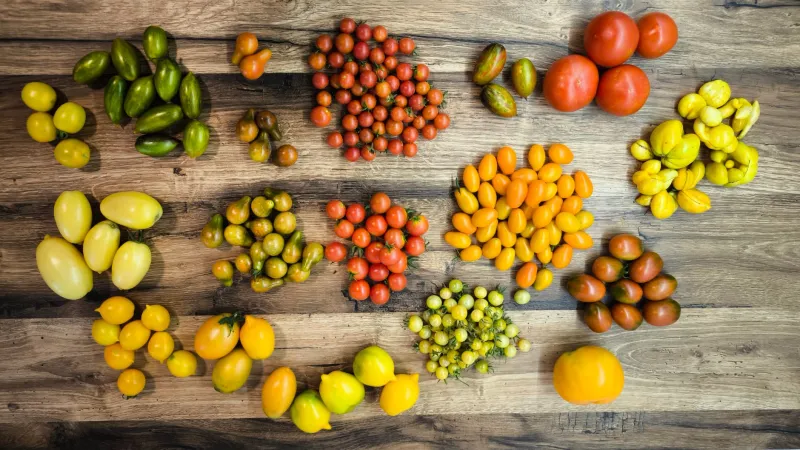
The cherry tomatoes showed the widest variance. Two samples from farms with documented soil microbiology programs (cover cropping, compost tea applications, minimal tillage) ranked highest for complexity and sweetness. The tomatoes from the farm with the most conventional-adjacent organic practices — technically clean, but soil-biology-light — ranked lowest, despite being visually identical.
Nobody was surprised that organic tasted better than conventional. What surprised people was how dramatically organic could differ from itself.
Farming Practices That Go Beyond the Checkboxes
So what are the farms producing the most flavorful, nutritionally dense produce actually doing differently? A few things come up consistently:
Compost depth and diversity. Farms that make their own compost from a wide variety of inputs — plant matter, wood chips, animal manures, food scraps — build microbial communities that are far more diverse than farms relying on bagged organic amendments. More microbial diversity means more nutrient cycling, which means more minerals available to the plant.
Cover cropping rotations. Planting diverse cover crop mixes between cash crops feeds soil fungi and bacteria through root exudates — the sugary compounds plants pump into the soil to attract microbial partners. Farms skipping this step are essentially leaving the soil's kitchen empty between meals.
Harvest timing. Flavor compounds in many vegetables — particularly tomatoes, peppers, and leafy greens — continue developing right up to full maturity. Commercial operations, even organic ones, often harvest earlier to survive the supply chain. Small farms selling direct at markets or through CSA boxes can wait until the last possible moment.
Minimal tillage. Every time you till soil, you disrupt fungal networks that took months to establish. Low-till and no-till organic farms tend to have more intact soil food webs, which translates into better nutrient delivery to plants.
What This Means for How You Shop
None of this is an argument against organic certification — it's an argument for going deeper than it. The label is your starting point, not your finish line.
When you can, get curious about the farm behind the food. Ask at the farmers market how they build their soil. Look for CSA programs that talk openly about their growing practices. Notice whether a farm mentions cover cropping, composting, or soil biology anywhere in their story.
And if you have the space — even a few raised beds — grow something yourself. You'll learn more about soil, flavor, and what food can actually taste like from one season of backyard tomatoes than from years of reading labels.
The certification tells you the floor was built. The soil tells you how high the ceiling goes.