Trading Seeds, Growing Community: Meet the Neighbors Quietly Rewriting America's Food Future
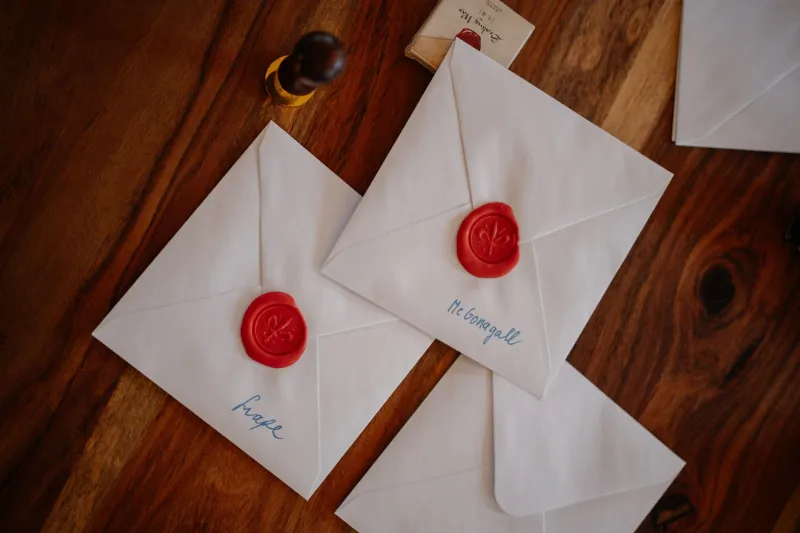
Somewhere in Tucson, Arizona, there's a library where you can check out seeds the same way you'd check out a novel. You bring back more seeds at the end of the season than you borrowed in the spring, and the collection grows. In Detroit, a network of backyard gardeners trades envelopes of dried beans and pepper seeds at monthly swaps that feel more like potlucks than political organizing—except they're a little bit of both. In Vermont, a retired schoolteacher has spent fifteen years maintaining a collection of heirloom squash varieties that seed companies stopped selling before she was born.
This is the seed saving movement, and it is thriving.
It doesn't make headlines the way farm policy debates do. It doesn't have a lobbying arm or a celebrity spokesperson. It's just people, saving seeds, sharing them with strangers, and in doing so, quietly doing something radical: reclaiming a piece of the food system that got handed over to corporations so gradually most of us didn't notice it happening.
How We Got Here
For most of human agricultural history, seed saving was simply what farming was. You grew a crop, you set aside the best specimens to dry and save, and you planted them again next year. Over generations, farmers developed intimate relationships with their seeds—selecting for flavor, resilience, adaptability to local conditions. The result was extraordinary biological diversity. Thousands of tomato varieties. Hundreds of bean types. Corn in colors that most Americans have never seen.
The industrialization of agriculture changed all of that with remarkable speed. The rise of hybrid seeds—which don't reliably reproduce their parent plant's traits—meant farmers needed to buy new seed every year rather than saving their own. Then came patented GMO varieties with licensing agreements that legally prohibit saving. The consolidation of the seed industry accelerated things further: a handful of massive corporations now control the majority of commercial seed sales in the United States.
The practical consequence is that thousands of vegetable varieties have effectively vanished from the commercial market. Not because anyone decided they weren't worth growing, but because they weren't profitable enough to maintain at industrial scale. Flavor, regional adaptation, cultural significance—none of those factors show up on a commodity spreadsheet.
What Gets Lost When Varieties Disappear
This isn't just a sentimental problem. Plant genetic diversity is a form of biological insurance. When a disease or pest evolves to attack a monoculture crop—which happens with regularity—genetic diversity is what gives breeders and farmers options. The Irish Potato Famine was, at its root, a catastrophic failure of genetic diversity. Growing a single susceptible variety across a vast landscape created a perfect storm when blight arrived.
Beyond resilience, there's the question of flavor and nutrition. Many heirloom varieties were developed specifically for taste, not for the ability to survive a cross-country truck ride. The Brandywine tomato, the Dragon Tongue bean, the Mortgage Lifter—these aren't novelties. They're the result of generations of selection by people who prioritized eating well over shipping efficiency.
And there's cultural heritage embedded in seeds that can't be replicated once it's gone. Many heirloom varieties carry the histories of specific immigrant communities, Indigenous nations, and regional farming traditions. When those seeds disappear, something irreplaceable goes with them.
Seed Libraries: Your Local Act of Food Sovereignty
The good news is that seed libraries are genuinely everywhere now, and they're easy to participate in. Many public libraries have integrated seed lending programs into their collections—you can find them in rural towns, mid-size cities, and major metro areas alike. The Seed Library of Los Angeles, the Richmond Grows Seed Lending Library in the Bay Area, and countless smaller local programs operate on the same basic model: borrow seeds, grow them out, save some, return them.
The beauty of this model is that it's inherently regenerative. A book you check out comes back in the same condition. A seed you check out comes back multiplied. The collection grows richer every season.
If your local public library doesn't have a seed program yet, that's an opportunity rather than a dead end. Many libraries have launched programs based on patron requests, often partnering with local gardening clubs or agricultural extension offices. The startup costs are remarkably low—mostly just envelopes, a filing system, and some enthusiastic volunteers.
Garden Swaps: Where Community Happens Over Dried Beans
Seed swaps are a different animal from seed libraries, and in some ways more fun. They're social events—often held in community centers, church halls, school gymnasiums, or even someone's backyard—where gardeners bring seeds they've saved and trade them freely with whoever shows up.
If you've never been to one, the atmosphere is hard to describe without sounding like you're overselling it. People get genuinely excited about seeds. There's storytelling: the woman who explains that this particular pepper variety came from her grandmother's garden in Puerto Rico, the guy who's been growing the same strain of pole beans for twenty years and wants someone else to carry it forward. There's practical knowledge being exchanged alongside the little labeled envelopes.
The Seed Savers Exchange, based in Decorah, Iowa, has been coordinating this kind of community for decades and maintains one of the largest collections of heirloom seeds in the country. Their annual catalog reads like a catalog of what American agriculture could have been—and still could be. Local chapters and affiliated groups host swaps across the country throughout the year.
How to Start Saving Seeds Yourself
You don't need a lot of space or expertise to get started. A few practical notes:
Start with the easy ones. Tomatoes, beans, peas, and peppers are forgiving for beginners. They're mostly self-pollinating, which means you don't need to worry much about cross-pollination muddying your results. Squash and corn are more complicated and better left until you've got some experience.
Let something go to seed intentionally. This means resisting the urge to harvest everything. Leave your best-looking specimens on the plant past the point you'd normally pick them. Let beans dry out on the vine. Let a tomato go fully, almost over-ripe. The seeds inside are what you're after.
Dry thoroughly before storing. Moisture is the enemy of seed viability. Spread seeds on a paper plate or screen in a warm, dry place for at least a week before packaging them. Store in paper envelopes (not plastic, which traps moisture) in a cool, dark location. A labeled envelope in the back of your refrigerator works well.
Grow it out the next season and see what you get. This is the part that connects you to every farmer who ever saved seed before you. There's something quietly profound about planting a seed you saved yourself.
The Bigger Picture
At Kelly Tee Garden Organics, we believe that food grown with love carries something that industrial supply chains can't replicate—connection to place, to season, to the people who tended the plant before you. Seed saving takes that idea and extends it across time. The seeds you save and share this fall might be growing in someone's garden five states away in three years. That's not just gardening. That's building something.
The movement doesn't require you to become a full-time homesteader or grow all your own food. It just asks you to participate in a system of care and reciprocity that's been keeping humans fed for ten thousand years—and that, right now, could use all the hands it can get.