Small Farms, Big Pressure: The Quiet Crisis Threatening Your Winter Farmers Market
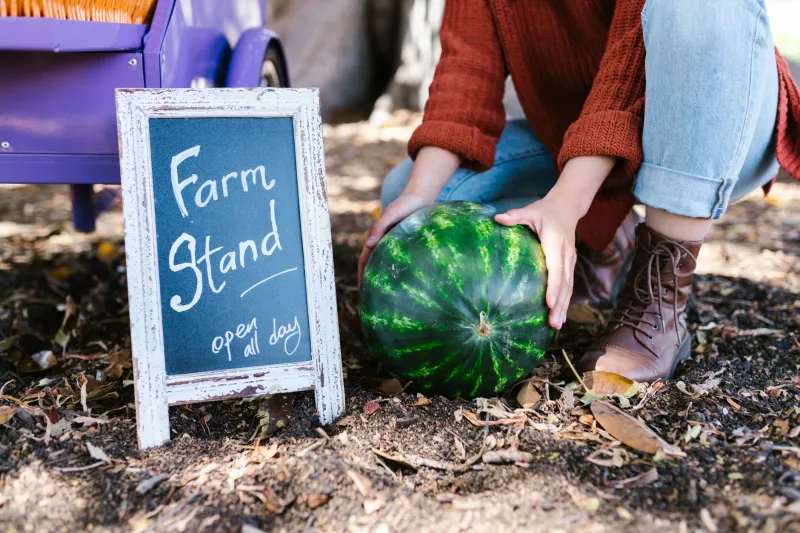
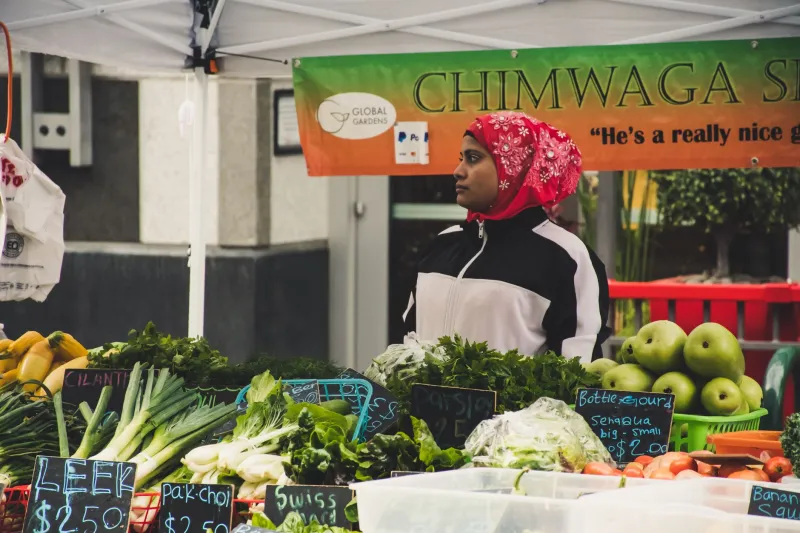
Picture your favorite farmers market stall. Maybe it's the one with the muddy heirloom tomatoes still warm from the field, or the stand run by that couple who knows every customer by name. Now imagine showing up one Saturday in January and finding it gone—not temporarily, but for good. That scenario is playing out across the country more than most of us realize, and the reasons why are a lot more complicated than just bad weather.
Small-scale organic farming in the US is in a genuinely precarious spot right now. And if you care about where your food comes from—really care, beyond the bumper sticker—it's worth understanding why.
The Numbers Don't Lie
The USDA's most recent agricultural census painted a sobering picture. The number of small and mid-size farms in America has been declining for decades, but the pace is accelerating. Organic operations, while growing in consumer popularity, face disproportionate financial pressure. Certification costs alone can run several thousand dollars a year. Add in rising input costs, unpredictable weather, and a labor market that's grown brutally competitive, and you start to see why so many farmers are quietly wondering if next season is worth it.
It's not a lack of passion. Talk to any small organic grower and you'll find someone who chose this life deliberately, often at significant personal financial sacrifice. The problem is structural.
Climate Is Rewriting the Growing Calendar
Farmers have always wrestled with weather. But there's a meaningful difference between a bad frost and the kind of erratic, compressed growing seasons that climate volatility is producing across different US regions. In the Pacific Northwest, wildfire smoke is shortening effective growing windows and damaging crops even when fire stays miles away. Across the Midwest and South, farmers describe rainfall patterns that have become nearly unreadable—months of drought followed by flooding that washes out entire plantings.
For a large industrial operation, these losses are absorbed across thousands of acres and hedged through commodity contracts. For a 40-acre organic farm in Vermont or a market garden in New Mexico, one catastrophic season can wipe out an entire year's income. There's no cushion. There's rarely crop insurance that covers specialty organic produce adequately. There's just the farmer, the land, and a very uncomfortable call to the bank.
The Labor Problem Nobody Talks About Enough
Organic farming is labor-intensive by design. When you choose not to rely on synthetic herbicides, you need human hands doing the work that chemicals would otherwise handle. That's part of what makes organic food genuinely more expensive to produce—and it's also what makes the current agricultural labor shortage so particularly painful for small growers.
The H-2A visa program that many farms rely on for seasonal workers has grown slower and more expensive to navigate. Domestic labor markets have tightened significantly post-pandemic. And unlike their industrial counterparts, small farms can't easily automate their way out of the problem. The kind of careful, selective harvesting that preserves soil structure and produces the quality you're paying for at the market? That still requires skilled human judgment.
Industrial Agriculture Is Playing a Different Game
Here's the uncomfortable part of this conversation: the organic label you see on a bag of salad mix at a national grocery chain often has very little in common with what your local farmer is doing. Corporate agriculture has discovered that "organic" is a profitable market segment, and it has the scale to undercut small producers even while meeting the technical certification requirements.
The result is a race to the bottom that small farms simply cannot win on price alone. A large California organic operation growing in monoculture across thousands of acres can price a head of lettuce at a point that a 10-acre diversified farm in your county cannot match—even if that local farm's practices are ecologically superior in every meaningful way. Consumers often don't see the difference on a grocery shelf, which is part of why food transparency matters so much.
What Actually Helps (And It's Not Just Buying More)
This is where the conversation gets more hopeful, because the tools available to regular people are real and they work.
Join a CSA—and stick with it. Community Supported Agriculture memberships are one of the most direct lifelines available to small farms. When you pay upfront at the start of a season, you're giving a farmer the financial stability to plan, hire, and invest in their land without waiting to see if market sales will cover costs. If your local farm offers a winter share, that's even more valuable—winter is often when cash flow drops off a cliff.
Build an actual relationship. This sounds soft, but it's strategically meaningful. Farmers who have a loyal customer base—people who follow them on social media, show up even when it's cold, and spread the word to neighbors—have a marketing advantage that no advertising budget can fully replicate. Know your farmer's name. Ask them what's struggling this season. That connection creates accountability and community in both directions.
Pay the real price without negotiating it down. The price on a small farm's produce already reflects a margin that's often uncomfortably thin. Haggling at the farmers market or expecting the same prices as the grocery store actively undermines the economics that make sustainable farming viable. If you can afford to pay full price, do it.
Advocate at the local level. Many cities and counties have policies—zoning laws, land access programs, food procurement decisions for schools and hospitals—that directly affect whether small farms can survive nearby. Showing up to a city council meeting about local food policy or supporting a farmland preservation initiative is the kind of action that compounds over time.
Buy ugly, buy imperfect. A significant portion of small farm produce gets left unsold because it doesn't match the cosmetic standards that supermarket shopping has trained us to expect. When you buy the knobby carrots and the split tomatoes, you're reducing waste and improving a farmer's bottom line at the same time.
The Real Cost of Sustainable Food
At Kelly Tee Garden Organics, we talk a lot about what goes into growing food with integrity. The real cost of sustainable produce isn't just about inputs and labor—it's about maintaining a food system that can keep functioning as the climate shifts, that keeps soil biology alive for future seasons, and that keeps farming as a viable livelihood for the people who want to do it well.
Your local organic farmer isn't just selling you vegetables. They're maintaining a piece of living infrastructure in your community. That's worth protecting—not just with your dollars, but with your attention and your voice.
The farmers market might still be there this winter. But whether it's there five winters from now depends, in part, on choices being made right now.