Beneath Every Bite: How Regenerative Farms Are Bringing American Soil Back to Life
Most of us, when we pick up a bunch of carrots with an organic label, feel pretty good about ourselves. Fewer pesticides, no synthetic fertilizers—solid choice. But here's the thing: organic certification tells you what wasn't done to the soil. Regenerative agriculture is a whole different conversation. It's about what is being done—actively, intentionally, and with stunning results.
At Kelly Tee Garden Organics, we've been watching this movement grow for years. And we're convinced it's one of the most important things happening in American food right now. So let's dig in. Literally.
What Regenerative Agriculture Actually Means
The term gets thrown around a lot, especially in marketing materials that love a buzzword. But regenerative agriculture has a real, science-backed definition. It's a set of farming practices designed to restore soil health, increase biodiversity, and sequester carbon—not just maintain the status quo, but actively improve it over time.
Think of conventional farming as spending down a savings account. Every year, tillage, synthetic inputs, and monocultures draw down the biological richness of the soil. Regenerative farming is the opposite. It's making deposits.
Key practices include:
- Cover cropping: Planting species like clover, rye, or legumes between main crop cycles to protect and feed the soil
- Minimal or no-till: Leaving soil structure intact so the living communities inside it aren't constantly disrupted
- Crop rotation: Cycling different plant families through the same fields to prevent nutrient depletion and break pest cycles
- Composting and integrated livestock: Returning organic matter and natural fertility back to the land
None of this is new, by the way. Indigenous farming communities across North America practiced many of these principles for centuries. What's new is the scientific language we're using to understand why they work so well.
The Underground Internet Nobody's Talking About
Here's where things get genuinely mind-blowing. Beneath healthy regenerative farmland exists a living network of mycorrhizal fungi—thread-like filaments called hyphae that weave through the soil and connect plant root systems across entire fields. Scientists have nicknamed it the "wood wide web," and it functions almost like a biological internet.
Through these fungal networks, plants exchange nutrients, water, and even chemical signals. A tomato plant under stress from drought can essentially call for help, and neighboring plants—connected through the mycorrhizal web—may respond by redistributing resources.
Conventional tillage and synthetic fertilizers destroy this network. Regenerative practices protect and rebuild it. And the difference in soil health outcomes is dramatic. Research published in agricultural journals has shown that soils with robust mycorrhizal networks retain significantly more water, resist erosion, and support far greater biodiversity than their conventionally farmed counterparts.
Maria Chen, a soil scientist who consults with small farms across the Midwest, puts it plainly: "When I take a soil sample from a regenerative farm that's been practicing no-till and cover cropping for five or more years, it looks completely different from a conventional field nearby. The color, the texture, the smell—and when we test it, the biological activity is orders of magnitude higher. We're talking about thousands of species of bacteria, fungi, and microorganisms per teaspoon of soil."
Real Farmers, Real Results
James Whitfield farms about 340 acres in central Ohio. He transitioned to regenerative practices eight years ago after watching his topsoil erode season after season. "I was doing everything 'right' by conventional standards," he told us. "But every spring, I'd watch the rain carry my soil down the hill. Something had to change."
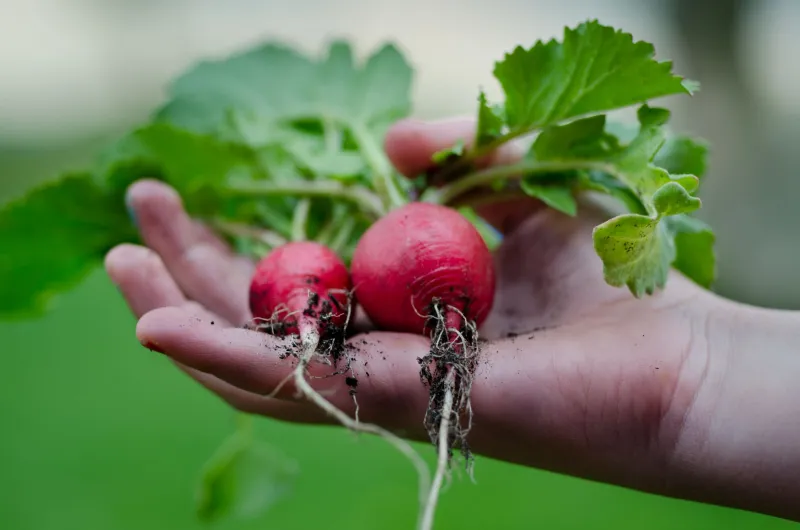
He started with cover crops—a mix of oats, radishes, and crimson clover planted after his corn harvest. Within two seasons, he noticed his fields were holding moisture longer into dry spells. Within four years, his input costs dropped significantly because the soil was feeding itself more efficiently. "I stopped fighting the land and started working with it. It sounds simple, but it completely changed how I think about farming."
Out in Northern California's Central Valley, Lucia Reyes runs a smaller, diversified vegetable operation of about 60 acres. She integrates chickens and ducks into her rotation, letting them forage through fields between crop cycles. "They eat the pests, they fertilize the soil, and they aerate it a little with their scratching. And honestly? My vegetables taste different. My customers notice. I notice."
How Your Food Choices Create the Ripple Effect
Here's where you come in. Regenerative farming is more labor-intensive and often more expensive in the short term. Farmers who practice it need a market that values what they're doing. That market is you.
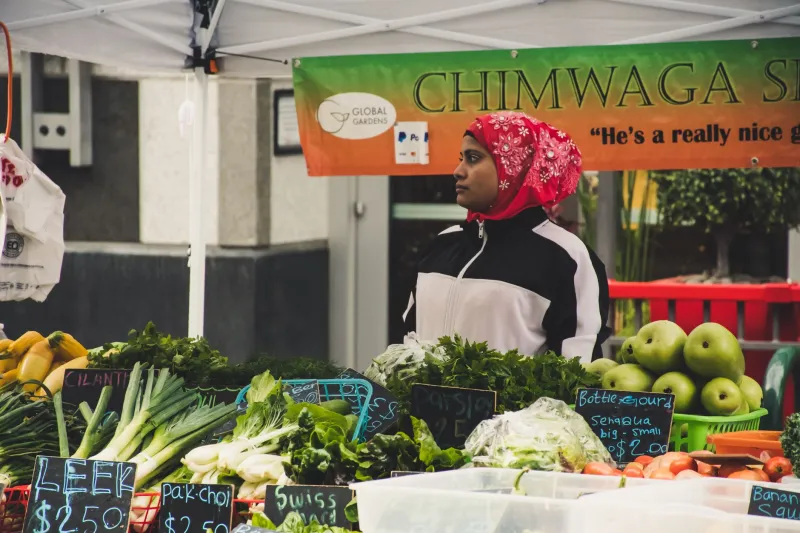
When you buy from farms practicing regenerative methods—whether through a local CSA, a farmers market, or brands that source transparently—you're doing several things at once:
- Funding the transition: Regenerative practices take years to fully establish. Consumer demand gives farmers the economic stability to make that long-term investment.
- Incentivizing land restoration: Degraded farmland that might otherwise be abandoned or sold to developers can become a thriving ecosystem again when the economics make sense.
- Sequestering carbon: Healthy, biologically active soil stores carbon. More regenerative acreage means more carbon pulled from the atmosphere.
- Supporting biodiversity: Regenerative farms tend to host dramatically more insect, bird, and plant species than conventional operations. That biodiversity makes the entire regional food web more resilient.
Across the US, an estimated 40% of cropland soil has been significantly degraded over the past century. That's not a small problem. But regenerative agriculture offers a genuine, scalable path to reversing that damage—not in generations, but in years.
How to Find Regenerative Products
Look for certifications like Regenerative Organic Certified (ROC), which layers regenerative practices on top of the USDA organic baseline. The Savory Institute's Land to Market program is another credible verification system, particularly for livestock products.
Beyond labels, ask questions at your farmers market. Farmers who practice regenerative methods are usually thrilled to talk about it. Ask about their cover crop mixes. Ask if they till. Ask about their soil health over time. The conversation itself is part of the movement.
At Kelly Tee Garden Organics, we believe that every meal is a vote. Not a perfect vote, not a vote that solves everything—but a real one. And when enough of those votes point toward farms that are quietly, persistently bringing American soil back to life, the ripple effect is something worth being part of.