Certified Confusion: What That Organic Sticker Really Means (And When It's Just Corporate Theater)
The Label That Launched a Thousand Loopholes
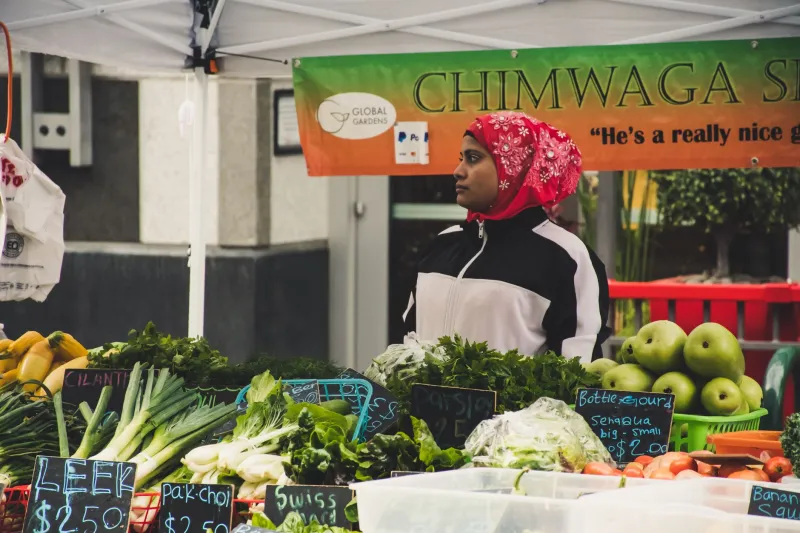
Picture this: you're standing in the produce aisle, comparing two bags of spinach. One is from a brand you've never heard of with a crisp green logo and a bold USDA Organic seal. The other is from a small farm two counties over, handwritten sign and all, sitting in a slightly crooked basket at your local farmers market. You might assume the certified one is the safer, more virtuous choice. But that assumption is exactly what a handful of billion-dollar food companies are counting on.
Organic certification in the United States has become a genuinely complicated space. What started as a grassroots push by small farmers, backyard growers, and health advocates in the 1970s and '80s has quietly been absorbed — at least in part — by the same industrial agriculture machine it was meant to challenge. Understanding that transformation isn't about cynicism. It's about becoming the kind of shopper who actually supports the people doing the real work.
How Big Ag Learned to Speak Organic
When the USDA's National Organic Program was formalized in 2002, it created a unified certification standard. That was largely a good thing. But it also opened a door for large corporations to pursue organic certification at industrial scale — and the rules, while meaningful, don't always capture the spirit of what most consumers picture when they hear the word "organic."
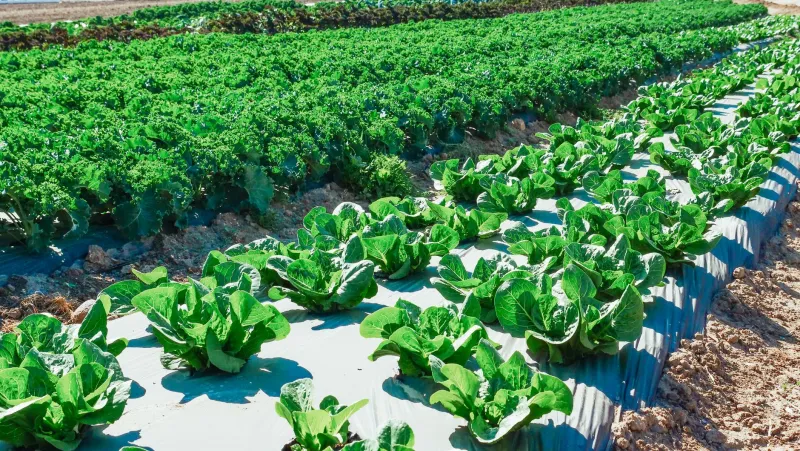
Large-scale organic operations can still confine animals in crowded conditions as long as certain input requirements are met. They can source from farms thousands of miles away, ship produce across the country, and operate with the same monoculture logic as conventional agriculture — just without synthetic pesticides. Technically compliant. Arguably missing the point.
"The certification was designed as a floor, not a ceiling," explains Marcus Webb, a third-generation vegetable farmer based in the Willamette Valley who sells through a regional CSA. "Big companies figured out how to live right at that floor while marketing themselves like they're doing something revolutionary."
Meanwhile, farmers like Marcus often can't afford the certification fees, the paperwork burden, or the annual renewal costs that come with USDA Organic status — even when their practices far exceed what the label requires.
The Greenwashing Playbook
Corporate greenwashing in the food space follows a pretty predictable script. Watch for these patterns:
Vague proximity language. Phrases like "locally inspired," "farm-fresh," or "rooted in nature" sound grounding but mean absolutely nothing from a regulatory standpoint. A tomato grown on a 10,000-acre operation in Mexico can be packaged with a barn illustration and a folksy font.
Organic certification without transparency. The USDA seal tells you what inputs were avoided. It doesn't tell you about labor practices, water usage, soil health, biodiversity, or whether the farm is owned by a private equity firm that also runs seventeen conventional operations.
Strategic acquisitions. Many brands that feel independent and mission-driven have been purchased by major food conglomerates. Cascadian Farm, Honest Tea, Burt's Bees — all acquired by corporations whose core business has little to do with organic values. The branding stays wholesome. The ownership structure does not.
What Genuinely Sustainable Small Farms Look Like
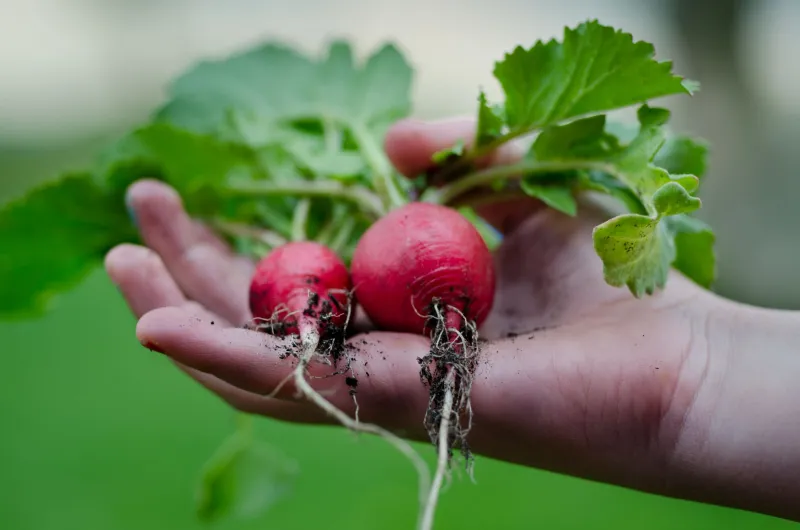
Small, authentically organic farms tend to share a few characteristics that are worth knowing. They typically grow multiple crops rather than specializing in one or two at industrial scale. They build soil health through composting, cover cropping, and crop rotation rather than relying solely on approved organic inputs. They know their customers by name — or at least by face.
Jessica Morales has been growing heirloom tomatoes, peppers, and squash on her five-acre plot in central Texas for eleven years. She's never pursued USDA certification, not because her practices don't qualify, but because the cost-benefit math doesn't work at her scale.
"I invite anyone to come walk my fields," she says. "I don't use anything I wouldn't want my kids around. But I can't spend $1,200 a year on paperwork to prove it to a stranger in a grocery store."
This is the invisible tier of American organic farming — the growers doing everything right, with no certification to show for it, competing on a shelf (or a market table) against well-funded brands with professional packaging.
Your Practical Checklist for Finding the Real Thing
So what can you actually do with all of this? Plenty, it turns out. Here's what we recommend at Kelly Tee Garden Organics when you're trying to spend your food dollars in ways that align with your values:
At the farmers market:
- Ask the farmer directly how they manage pests and fertilize their soil. Genuine small growers love this question.
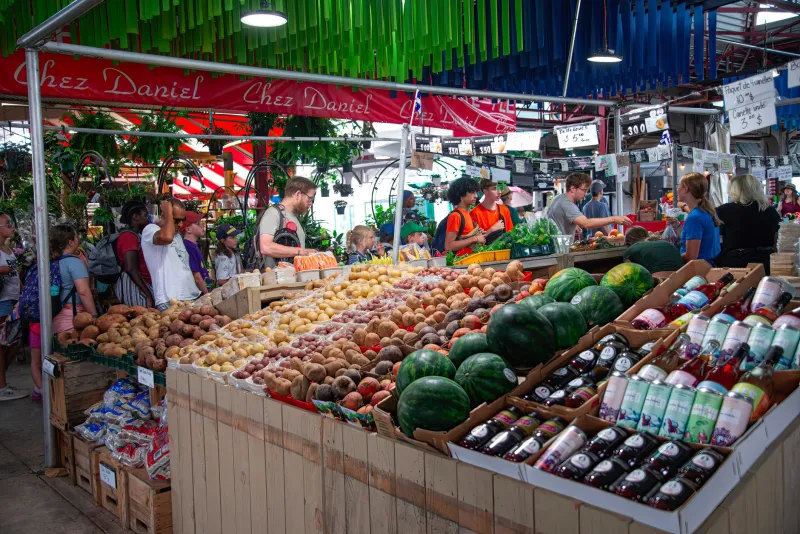
- Look for vendors who can tell you the name of their farm and its location — ideally within 100 miles.
- Don't penalize uncertified farmers. Ask why they don't have certification. The answer is often more reassuring than a sticker.
- Diversity of product is a good sign. A farm table with fifteen different vegetables suggests ecological thinking, not monoculture economics.
At the grocery store:
- Search the brand name plus "parent company" before you buy. Knowing who actually owns a label matters.
- Look for additional third-party certifications like Certified Naturally Grown, Regenerative Organic Certified, or Food Alliance Certified. These often indicate practices that go beyond the USDA baseline.
- Check for a physical farm address on the packaging. If it just says "distributed by" with a corporate PO box, that's worth noting.
- Prioritize store brands from co-ops and independent natural grocers, which often have stricter sourcing standards than national chains.
Online and through CSAs:
- Community-supported agriculture subscriptions from local farms are one of the most direct ways to support genuine small-farm organics. You're paying the farmer, not a distributor.
- Platforms like Local Harvest and the USDA's Local Food Directories can help you find certified and uncertified small farms near you.
The Bigger Picture
None of this is meant to suggest that USDA Organic certification is worthless — it isn't. Avoiding synthetic pesticides and GMOs matters, and the certification does provide meaningful consumer protection. The issue is that the label has become a marketing tool powerful enough to be exploited, and consumers deserve to understand that nuance.
Supporting small, genuinely sustainable farms is a political act as much as a personal one. Every dollar spent at a local farm stand, every CSA box subscription, every question asked at a market table is a small vote for the kind of food system most of us actually want to live inside.
At Kelly Tee Garden Organics, we believe that transparency isn't a marketing strategy — it's a baseline expectation. The growers we work with and celebrate are the ones who can answer every question you have, ideally while standing in the dirt they tend. That's the standard worth holding, certified or not.