What's Really Growing in That Carrot: The Surprising Science of Organic Produce and Your Body's Defenses
It Starts With What You Can't See
Before a single vegetable makes it onto your plate, something remarkable is happening a foot below the surface. Healthy, living soil — the kind we obsessively tend here at Kelly Tee Garden Organics — is teeming with bacteria, fungi, earthworms, and microbial communities so complex that scientists are still mapping them. And that underground ecosystem? It's the original immune-system booster, long before supplements entered the picture.
When we talk about micronutrient-dense food, most people picture the vegetable itself. But the real story starts with what the plant draws up through its roots. Organically managed soil holds onto minerals like zinc, magnesium, iron, and selenium more effectively than soil treated with synthetic fertilizers, which tend to prioritize fast nitrogen delivery at the expense of long-term mineral availability. According to research published in the British Journal of Nutrition, organic crops contain up to 69% more flavonoids and significantly higher concentrations of polyphenols compared to their conventionally grown counterparts. Those aren't just fancy words — flavonoids and polyphenols are the plant compounds that directly support your body's inflammatory response, cellular defense systems, and antioxidant capacity.
Dr. Maria Sandoval, a registered dietitian and integrative nutrition specialist based in Boulder, Colorado, puts it plainly: "When I tell patients to eat more vegetables, I'm really telling them to eat more of what the vegetable is supposed to contain. Soil quality determines nutrient density. There's no getting around that."
The Phytonutrient Factor Nobody Talks About
Here's something genuinely fascinating about plants: they produce many of their most powerful health compounds as a stress response. When a plant faces real-world threats — insects, disease pressure, UV exposure, drought — it synthesizes protective chemicals called phytonutrients. These are the same compounds, including quercetin, resveratrol, lutein, and beta-carotene, that humans absorb and use for their own cellular protection.
Conventionally grown crops, shielded by pesticides and synthetic inputs, often have less biological reason to produce these compounds in abundance. Organic plants, exposed to natural stressors and grown in living soil, tend to develop richer phytonutrient profiles as a result. Think of it as the plant building up its own immune system — and when you eat it, you're essentially borrowing that resilience.
Soil scientist Dr. Jerome Watkins, who consults with small organic farms across the Pacific Northwest, describes it this way: "The symbiotic relationship between plant roots and mycorrhizal fungi in organic soil systems allows for mineral transfers that simply don't happen at the same rate in chemically managed fields. The plant is getting fed by a whole community, not just a synthetic drip."
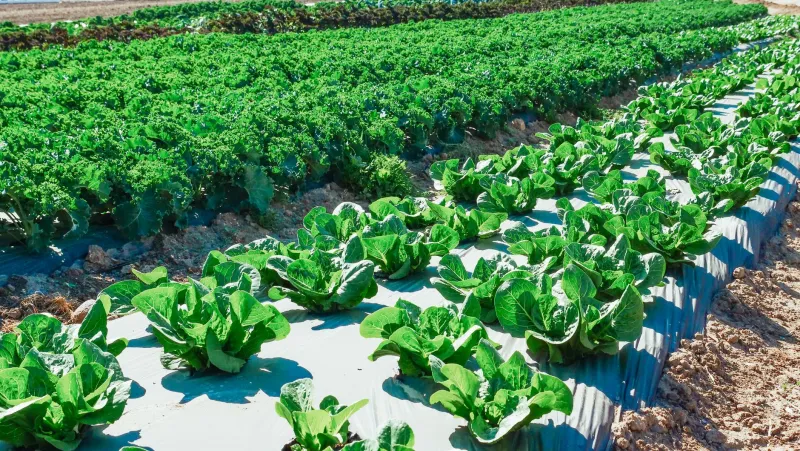
At Kelly Tee, we don't use synthetic pesticides or fertilizers — ever. Our beds are amended with compost, cover-cropped between seasons, and managed with the kind of patience that industrial agriculture can't really afford. The result is produce that looks a little imperfect sometimes, but performs at a completely different nutritional level.
Seasonal Stars From Our Garden Rows
Not all vegetables carry the same immune-boosting punch year-round, and part of eating with purpose is knowing which seasonal picks offer the most return for your body right now.
Spring: Spinach and Kale As the soil warms and our spring greens come up, they're loaded with vitamins C and K, folate, and iron — all of which play direct roles in immune cell production. A single cup of our organically grown kale delivers more vitamin C than an orange. Pair it with a healthy fat like olive oil to maximize absorption of the fat-soluble nutrients.
Summer: Bell Peppers, Tomatoes, and Zucchini Summer is when antioxidant density really peaks in our garden. Red bell peppers contain nearly three times the vitamin C of citrus fruit, and organically grown tomatoes have been shown to carry significantly higher lycopene concentrations than conventionally grown varieties. Lycopene is a potent antioxidant linked to reduced inflammation and cardiovascular protection.
Fall: Sweet Potatoes, Winter Squash, and Beets This is the season your immune system is gearing up for cold and flu months, and nature delivers accordingly. Beta-carotene — found in abundance in sweet potatoes and butternut squash — converts to vitamin A in the body, which is critical for maintaining the mucosal barriers in your nose and throat that serve as your first line of defense against pathogens. Our beets, meanwhile, are rich in nitrates and betalains that support blood flow and cellular detoxification.
Winter: Root Vegetables, Garlic, and Stored Alliums Garlic deserves its own paragraph, honestly. Allicin, the sulfur compound released when garlic is chopped or crushed, has demonstrated antiviral and antibacterial properties in multiple clinical studies. When grown organically in mineral-rich soil, garlic's active compound concentrations are measurably higher. We cure and store our garlic heads through the winter specifically so our CSA members have access to this powerhouse all season long.
Why "Eating the Rainbow" Actually Has a Scientific Basis
You've probably heard the advice to eat a colorful variety of produce. It sounds like something a kindergarten teacher would say, but the biochemistry behind it is genuinely sophisticated. Different pigments in vegetables correspond to different classes of phytonutrients, each with distinct mechanisms for supporting immune function.
Anthocyanins (the deep blues and purples in our blueberries and purple cabbage) support gut microbiome diversity, which is now understood to be central to immune regulation. Carotenoids (oranges and yellows) support epithelial tissue integrity. Chlorophyll-rich greens deliver magnesium, which activates over 300 enzymatic processes in the human body, including those involved in DNA repair.
Eating a wide variety of organically grown, seasonal produce isn't just pleasant — it's systematically covering your immune system's nutritional bases in a way that no supplement stack can fully replicate.
From Our Farm to Your Immune System
We grow food at Kelly Tee Garden Organics because we believe the relationship between healthy land and healthy people is real, measurable, and worth protecting. When you pick up a box from our farm stand or join our CSA, you're not just getting vegetables — you're getting the accumulated benefit of soil that's been cared for, plants that have been allowed to develop fully, and produce harvested at peak ripeness rather than picked green for a cross-country truck ride.
Your immune system is your body's most sophisticated defense network. Feed it accordingly. The science says the soil matters. We say the farm matters. And we'd love to be yours.