Why the Same Carrot Tastes Totally Different Depending on Where It Was Grown
Picture this: you're at a farmers market in Asheville, North Carolina, biting into a roasted beet. It's earthy, almost wine-dark, with a sweetness that lingers. Two weeks later, you're visiting a cousin in the Central Valley of California, and you grab a beet from a roadside farm stand. Same variety, same organic certification, same roasting method — and yet it tastes noticeably different. Brighter, maybe. Less complex.
You're not imagining it. And you're not losing your mind.
What you're experiencing is something wine drinkers have had a word for since the 18th century: terroir. It's a French concept that describes the way a place — its soil, its water, its climate, its microbial life — leaves a fingerprint on the food grown there. And while sommeliers have been rhapsodizing about it for decades, vegetable farmers are only now getting the credit they deserve for producing food that carries that same unmistakable stamp of somewhere.
What Terroir Actually Means (Outside a Wine Glass)
At its core, terroir is about the relationship between land and plant. When a vine grows in chalky limestone soil, it draws up minerals that change the chemistry of the grape. When that same vine grows in heavy clay, it's working with a completely different toolkit. The result? Wines that taste like the places they come from.
The same principle applies to vegetables — especially organic ones, which tend to have a more direct, unmediated relationship with the soil they grow in. Conventional farming often overrides terroir by applying synthetic fertilizers that standardize nutrient availability regardless of what's naturally in the ground. Organic farming, by contrast, builds on what's already there. The soil's natural mineral profile, its microbial ecosystem, the local rainfall patterns — all of it gets absorbed into the plant, and ultimately, into your dinner.
Soil scientist and organic farming consultant Dr. Amara Osei, who works with small farms across the Southeast, puts it plainly: "When you let a plant interact authentically with its environment — the native microbes, the mineral content, the water chemistry — you're going to get a vegetable that tastes like that place. That's not mysticism. That's biology."
The Flavor Geography of American Organic Produce
Across the U.S., regional terroir creates some genuinely wild variation in how the same vegetables taste. Here's a snapshot of what that looks like on the ground.
Pacific Northwest: The volcanic soils of Oregon and Washington are rich in minerals like calcium and magnesium, and the cool, wet climate slows plant growth in ways that concentrate sugars and flavor compounds. Organic kale from the Willamette Valley, for example, tends to be less bitter and more mineral-forward than kale grown elsewhere — something local chefs have noticed and actively seek out.
The Deep South: Sandy, acidic soils across Georgia and the Carolinas give certain root vegetables — sweet potatoes especially — a distinctive character. The longer growing season and high humidity mean plants have more time to develop complex starches, which translates to a deeper, more caramel-like sweetness. Ask any South Carolina organic farmer about their sweet potatoes and watch their eyes light up.
The High Desert Southwest: New Mexico and parts of Colorado have some of the most mineral-dense soil in the country, shaped by ancient seabeds and volcanic activity. Organic peppers and chiles grown here carry a complexity that's hard to replicate elsewhere — heat that blooms slowly, layered with something almost smoky, which is why New Mexican green chiles have a cult following that no California pepper has ever matched.
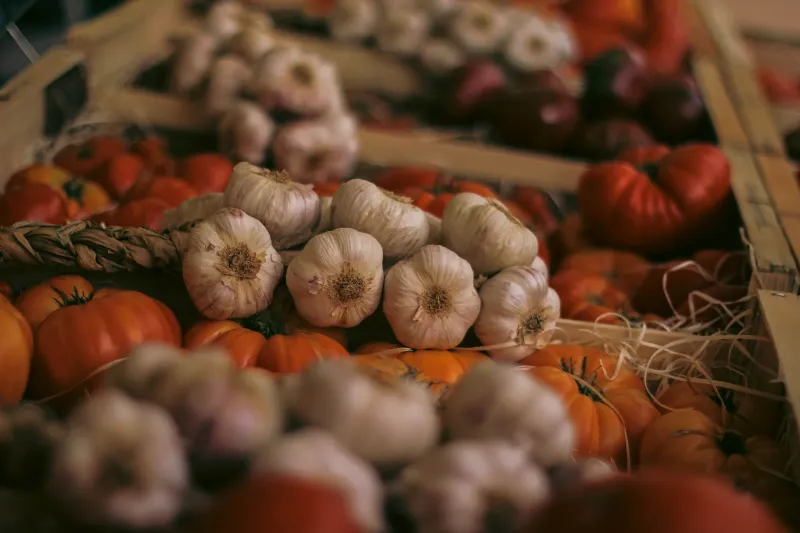
The Northeast: Rocky, glacially-deposited soils in Vermont and upstate New York tend to produce vegetables with a sharper, more assertive flavor profile. Organic garlic from the Hudson Valley is a perfect example — pungent, complex, almost spicy in a way that mass-produced garlic from a supermarket bag simply isn't.
The Microbial Layer Nobody Talks About Enough
Soil minerals get most of the attention when people talk about terroir, but the microbial ecosystem — the billions of bacteria, fungi, and other organisms living in healthy organic soil — may actually be the more powerful flavor driver.
Mycorrhizal fungi, for instance, form symbiotic relationships with plant roots and help them absorb phosphorus and other nutrients more efficiently. Different fungal communities produce different nutrient profiles in the plants they support, which in turn affects flavor. A tomato grown in soil teeming with diverse fungal life is going to have a different chemical composition — and taste — than one grown in soil that's been stripped by years of conventional tillage.
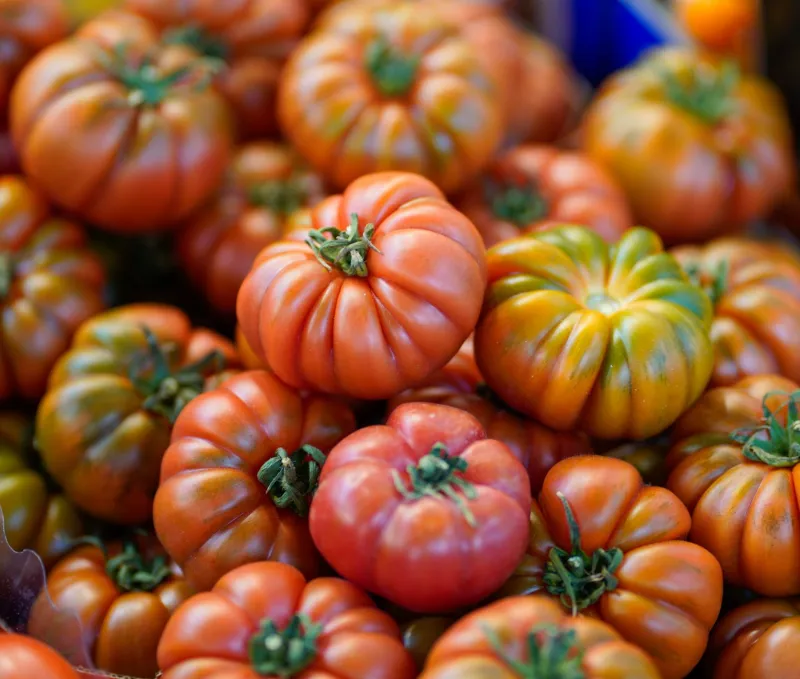
Organic farmer Rosa Mendez, who runs a 12-acre diversified operation outside of Taos, New Mexico, has been paying attention to this for years. "I've grown the same heirloom tomato variety in three different plots on my farm, and they all taste a little different," she says. "The plot near the old orchard, where the soil hasn't been disturbed in decades — those tomatoes have this richness to it. I think it's the fungi. The soil is just more alive there."
What This Means for How You Shop
Here's the practical takeaway: when you buy organic produce from a local farm — especially one that's been stewarding its land for years — you're getting something genuinely irreproducible. That CSA box from a farm in your county isn't just fresher than the organic broccoli shipped from 2,000 miles away. It tastes like your region. It carries the mineral signature of your local soil, shaped by your local rainfall and your local microbes.
That's not a marketing line. That's terroir.
A few things worth keeping in mind next time you're shopping:
- Ask your farmer about their soil. The good ones love talking about it. Soil that's been built up over years with compost, cover crops, and minimal disturbance tends to produce more flavorful food.
- Try side-by-side comparisons. Grab the same vegetable variety from two different farms at your local market and taste them next to each other. The differences can be genuinely surprising.
- Notice the water. Farms that use rainwater or local well water are pulling from a different mineral source than farms on municipal irrigation. It matters more than you'd think.
- Trust your palate. If something tastes more complex, more interesting, more alive — there's probably a reason. Flavor is data.
The Bigger Picture
There's something quietly radical about taking terroir seriously when it comes to vegetables. It pushes back against the food system's relentless drive toward uniformity — the idea that a carrot should taste like a carrot, full stop, regardless of where or how it was grown. That standardization is convenient, sure. But it's also a kind of erasure.
When we start paying attention to regional flavor, we start valuing regional farms. We start understanding that the organic garlic from a small operation in the Finger Lakes isn't interchangeable with garlic from a 500-acre operation in California — and that both of those things are worth preserving.
Food that tastes like somewhere is food worth protecting. And the farmers growing it? They're not just producing calories. They're producing place.
That's worth biting into.