Six Pots on a Balcony: How a Tiny Herb Garden Will Permanently Rewire the Way You Cook
Let me tell you about the moment I stopped buying dried oregano.
I had a small pot of it growing on my kitchen windowsill — nothing fancy, a four-inch container I'd picked up at the nursery for three bucks. One evening I was making a simple tomato sauce, reached for the jar in the cabinet out of habit, and then stopped. Walked to the window. Pinched off a few sprigs. Rubbed them between my fingers and held them to my nose.
The smell was so vivid, so green and resinous and alive, that it genuinely startled me. I looked at the jar in my other hand — the one I'd been sprinkling into sauces for years — and it smelled like paper.
That was it. That was the moment.
The Flavor Difference Is Not Subtle
Here's something the grocery store would rather you not think too hard about: dried herbs lose the majority of their volatile aromatic compounds — the molecules that create flavor and fragrance — within six months of processing. Most of what you find on supermarket shelves has been sitting in a warehouse and then on a shelf for well beyond that. The jar might technically contain oregano, but it contains a pale, oxidized memory of oregano.
Fresh herbs, by contrast, are essentially still alive. Their essential oils are intact. Their aromatics are at full strength. And when you grow them yourself — organically, in containers, on a balcony or a windowsill — you're harvesting them at the absolute peak of their potency, seconds before they hit your food.
The flavor difference between fresh homegrown basil and the dried stuff isn't a subtle upgrade. It's a different ingredient category.
What to Grow First (And Why These Six)
If you're starting from scratch, don't try to grow everything at once. Begin with herbs that are genuinely useful in everyday cooking, that grow well in containers, and that deliver the most dramatic flavor improvement over their dried counterparts.
Basil is the crown jewel of the windowsill garden. It loves heat and sun, grows quickly, and is almost comically better fresh than dried. Use it in everything from caprese to pasta to cocktails. The key: never refrigerate it, and pinch off flower buds as they form to keep the leaves coming.
Chives are essentially foolproof. They grow in almost any light, come back reliably, and add a mild onion flavor to eggs, potatoes, soups, and grain bowls that dried chives simply cannot replicate. Snip them with scissors directly over your food.
Mint is vigorous to the point of aggression — which is exactly why it belongs in a container rather than a garden bed. Keep it in its own pot (it will take over if mixed with other herbs), water it generously, and harvest freely. Fresh mint transforms iced tea, grain salads, lamb dishes, and about a hundred cocktails.
Rosemary thrives in containers, prefers dry conditions, and is practically indestructible once established. A single healthy plant will supply more rosemary than most households can use. Tuck sprigs under chicken before roasting, strip the leaves into focaccia dough, or use the woody stems as skewers for grilled vegetables.
Flat-leaf parsley is the most underrated herb in American home cooking. People treat it as a garnish, but it's actually a flavor workhorse — bright, grassy, and capable of lifting a dish that feels flat. It's also exceptionally high in vitamin K and vitamin C. Grow it in a slightly larger pot and harvest from the outer stems.
Thyme is a slow grower but an incredibly useful one. It pairs with almost everything — roasted vegetables, braised meats, eggs, beans — and its flavor intensifies when cooked, making it one of the few herbs that works beautifully in longer preparations. It's also drought-tolerant, which makes it forgiving for beginning gardeners.
The Organic Approach: Simple and Non-Negotiable
Growing herbs organically at home is genuinely easy — arguably easier than growing them conventionally, because herbs don't need much. Here's the basic framework:
Soil: Use a high-quality organic potting mix. Avoid cheap generic mixes that compact quickly and drain poorly. Look for mixes that contain compost, perlite for drainage, and no synthetic fertilizers.
Containers: Anything with drainage holes works. Terracotta pots are ideal because they're breathable, but recycled containers, wooden boxes, and fabric grow bags all perform well. Make sure each herb has enough root space — a six-inch pot is the minimum for most herbs, eight to ten inches for basil and parsley.
Feeding: A monthly application of liquid organic fertilizer (fish emulsion or seaweed extract work well) is usually all herbs need during the growing season. They're not heavy feeders.
Water: Most herbs prefer to dry out slightly between waterings. Stick your finger an inch into the soil — if it's still damp, wait. Overwatering is the most common mistake beginning herb gardeners make.
Light: This is the one non-negotiable. Most culinary herbs need at least six hours of direct sunlight daily. South- or west-facing balconies and windowsills are ideal. If you're genuinely light-limited, chives, mint, and parsley are your most tolerant options.
Two Recipes to Start With
Chimichurri (the real reason to grow parsley and oregano) Blend two packed cups of fresh flat-leaf parsley, two tablespoons of fresh oregano leaves, four garlic cloves, half a cup of olive oil, three tablespoons of red wine vinegar, a pinch of red pepper flakes, and salt to taste. Pulse until roughly combined but not completely smooth. Spoon over grilled steak, roasted vegetables, or eggs. This is the recipe that will make people ask what restaurant you ordered from.
Herb Butter (the reason to grow everything else) Soften a stick of good unsalted butter. Mix in two tablespoons each of minced chives, thyme leaves, and flat-leaf parsley, plus a small clove of garlic and a generous pinch of flaky salt. Roll in parchment paper, refrigerate until firm. Slice rounds onto grilled corn, warm bread, roasted potatoes, or pan-seared fish. Keep a log in the freezer and you'll reach for it constantly.
The Bigger Thing That Happens
Something shifts when you grow your own food, even on this modest scale. You start tasting more deliberately. You notice when a dish needs brightness and instinctively reach for the chives. You smell your basil before you use it. You check on your plants in the morning the way you check on something you care about — because you do.
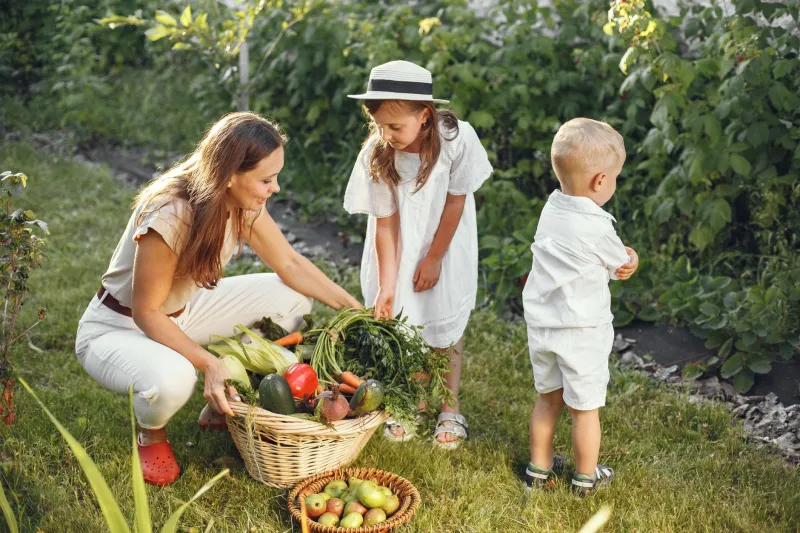
That's the deeper value of a herb garden, and it's exactly what we believe in at Kelly Tee Garden Organics. Food grown with intention changes the way you engage with everything you eat. It doesn't have to be a farm. It can be six pots on a balcony. The connection is the same.