Grow 30% of Your Groceries This Year: The Real Numbers Behind a Backyard Food Garden
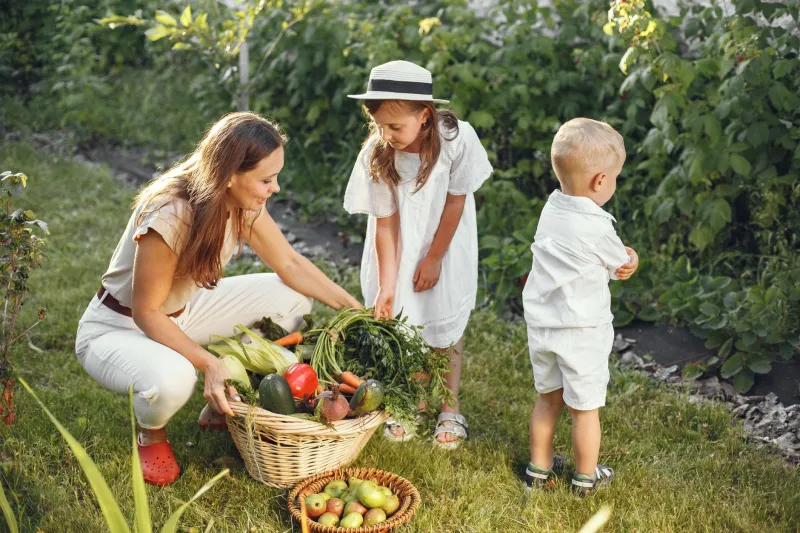
Somewhere between the fantasy of a lush homestead and the reality of a busy American life, there's a middle ground that doesn't get nearly enough attention. You don't need five acres, a barn, or a retirement's worth of free time to grow a meaningful chunk of your own food. You need a few containers, a raised bed, maybe a community garden plot — and a willingness to do the math honestly.
Because the math is actually pretty encouraging.
At Kelly Tee Garden Organics, we're big believers that the gap between industrial agriculture and your dinner table doesn't have to be as wide as it feels. Home gardening — even at a modest, low-commitment scale — can shift that gap in meaningful ways. Let's get into the real numbers.
What Does "30% of Your Own Food" Actually Mean?
First, let's make this concrete. The average American household spends roughly $270–$300 per month on groceries, according to USDA data. Fresh produce typically accounts for about 20–25% of that spend — so somewhere in the range of $55–$75 a month.
Growing 30% of your household's produce doesn't mean feeding your family entirely from the garden. It means offsetting roughly $15–$25 worth of fresh vegetables and herbs per month. That's more achievable than it sounds.
A single 4x8 foot raised bed, well-planted and well-managed through the growing season, can realistically produce $400–$600 worth of produce at retail prices over a year. Studies from the National Gardening Association have consistently found that the average food garden in the US returns about $530 in produce value for approximately $70 in annual investment. That's a return ratio that would make a lot of financial advisors blush.
The Actual Cost to Get Started
Let's stop pretending this is free. It isn't. But it's also not expensive if you approach it with a little intention.
Basic Raised Bed Setup (First-Year Costs):
- One 4x8 cedar raised bed kit: $60–$120
- Soil mix (compost-rich blend): $40–$80 depending on your region
- Seeds or seedlings for a season: $25–$50
- Basic tools (hand trowel, watering can or hose attachment): $20–$40 if you have nothing
Total first-year investment: roughly $150–$290
After year one, your ongoing costs drop dramatically. The bed lasts for years. You'll start saving seeds. Your soil improves on its own as you add compost. Many gardeners find their second-year costs fall below $50 for the same growing space.
No yard? No problem. A collection of five to seven large containers on a balcony or patio can grow tomatoes, peppers, lettuce, herbs, and beans with a startup cost under $100. Container gardening has a lower yield ceiling, but for herbs and salad greens alone, it can save a household $10–$20 a month — and those are among the highest-markup items at the grocery store.
Community garden plots are another underused option. Many cities and towns offer plot rentals for $25–$75 a season, with shared tools, water access, and often a community of experienced gardeners willing to share knowledge.
The Crops That Give You the Most Bang for Your Effort
Not all vegetables are equal from an economics-of-effort standpoint. If you're working with limited space or limited time, here's where to focus:
Highest Value-Per-Square-Foot:
- Fresh herbs (basil, cilantro, parsley, mint) — A $3–$4 grocery store bunch can be replaced by a single plant that produces all season. This is probably the single highest-return crop for a home gardener.
- Salad greens and spinach — Cut-and-come-again crops that keep producing. Organic baby greens retail for $5–$7 per bag; a small bed produces continuously.
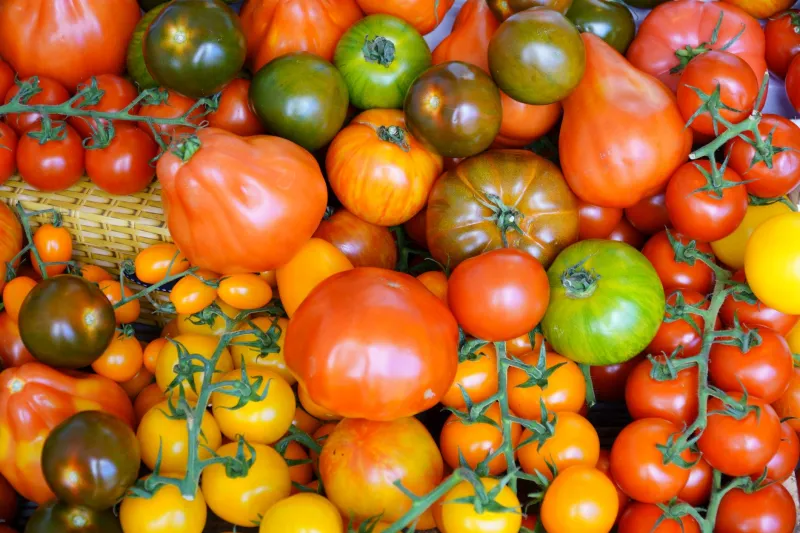
- Cherry tomatoes — High yield, long season, and organic varieties at the market run $4–$6 per pint. One plant can produce 10–20 pounds in a season.
- Zucchini and summer squash — Notoriously prolific. One or two plants will genuinely threaten to overwhelm you.
- Snap peas and green beans — Fast-growing, kid-friendly, and expensive per pound at organic retailers.
Lower Return (Still Worth It for Enjoyment, Not Savings):
- Corn, melons, and large root vegetables take a lot of space for their retail value. Grow them for the joy of it, not the economics.
The Nutrient Density Argument
Here's something the purely financial calculation misses: homegrown food is nutritionally different from store-bought food in ways that matter.
Produce begins losing nutrients the moment it's harvested. Vitamin C content in spinach, for example, can drop by more than 50% within a week of harvest under typical refrigeration. Corn loses up to 50% of its sugars within 24 hours of picking. When you walk out to your garden and harvest something for dinner tonight, you're eating food at peak nutritional density — something that simply isn't possible with anything that's traveled through a distribution chain.
For families who can't always afford a full organic grocery haul, a home garden bridges this gap in a powerful way. The food you grow yourself — even without certification — is about as organic as it gets, because you control every input.
Real Families, Real Results
Across the country, families are integrating home growing into their lives in practical, unsentimental ways. A family in Austin, Texas started with two raised beds and a container herb garden on their back porch three years ago. Today they estimate they grow about 35% of their fresh produce from April through October, and they've shifted their grocery budget accordingly — spending more on quality proteins and pantry staples while their garden handles the bulk of fresh vegetables.
A single mom in Columbus, Ohio joined her neighborhood community garden for $40 a season and grows enough tomatoes, peppers, and greens to dramatically reduce her summer produce spending. She's been at it for two years and says the social aspect — the community of fellow gardeners — has been as valuable as the food itself.
These aren't homesteaders or survivalists. They're regular people who decided to close the gap a little.
The Excuses, Addressed Honestly
"I don't have time." A raised bed requires roughly 30 minutes a week during peak season once it's established. That's less time than one trip to the grocery store.
"I kill everything I touch." Lettuce, herbs, and zucchini are almost aggressively hard to kill. Start there.
"My yard gets no sun." You need 6 hours of direct sun for most vegetables. Leafy greens and herbs will do fine with 4 hours. If you genuinely have no sun, a community garden plot is your path.
"It's not worth the hassle." Run the numbers above again. Then factor in the value of knowing exactly what went into your food.
Where to Start This Week
If you're reading this in early spring, you have time to start seeds indoors for summer planting. If it's summer, you can direct-sow fast crops like radishes, lettuce, and beans right now. If it's fall, garlic goes in the ground in October across most of the US and comes up in June — one of the most satisfying and economical crops a beginner can grow.
Start small. One bed. A few containers. A plot at the community garden. Don't try to replace your entire grocery store in year one. Just close the gap a little — and watch how quickly that little bit changes how you think about food.
Grown with love, eaten with purpose. It doesn't have to be a philosophy. It can just be dinner.