Same Lettuce, Different Story: How the Month You Buy It Changes Everything Inside
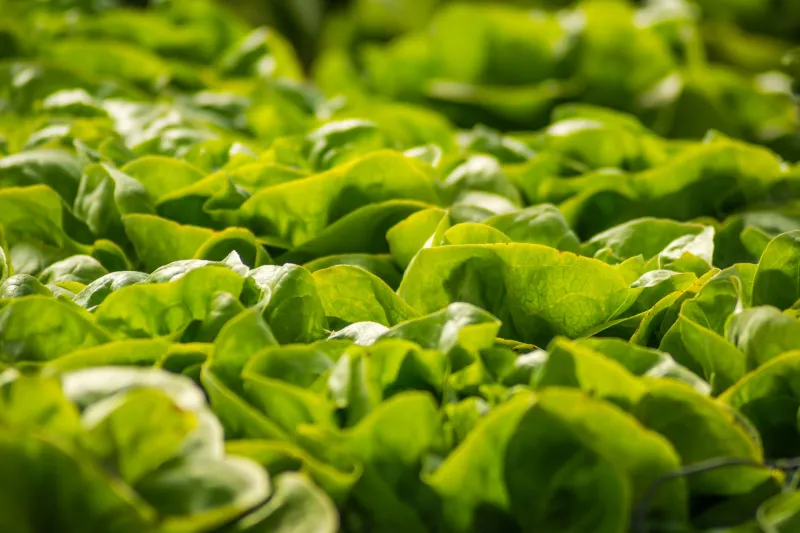
You did everything right. You bought organic. You grabbed the leafy green stuff. You skipped the sad, plastic-wrapped conventional head and paid a little extra for something grown with intention. And yet — depending on when you're reading this — that lettuce might be delivering a fraction of the nutrition you're expecting.
This isn't a knock on organic farming. It's actually a deeper argument for it. But it requires us to get honest about something the wellness world tends to gloss over: the calendar matters as much as the certification label.
Why January Lettuce Is Playing Defense, Not Offense
Plants don't produce nutrients for us. They produce them for themselves — to survive, reproduce, and respond to their environment. When we eat a vegetable at peak biological activity, we're essentially catching it mid-effort, absorbing the compounds it built to do a job.
In the depths of winter, even organically grown lettuce is operating in a kind of low-power mode. Shorter daylight hours mean less photosynthesis. Less photosynthesis means fewer sugars produced, which cascades into reduced synthesis of secondary metabolites — those are the flavonoids, carotenoids, and polyphenols that make produce genuinely functional for human health.
Research published in the Journal of Agricultural and Food Chemistry has consistently shown that light exposure is one of the strongest drivers of antioxidant accumulation in leafy greens. Lettuce grown under high-light summer conditions can contain two to three times the polyphenol concentration of the same variety grown in winter — even in a greenhouse. The plant simply doesn't produce what it doesn't need to produce.
Soil Dormancy: The Underground Factor Nobody Talks About
Here's where organic farming becomes especially relevant to this conversation. Conventional agriculture leans heavily on synthetic fertilizers to push yields regardless of season. Organic farming, especially the kind rooted in regenerative principles, relies on living soil biology — and that biology has its own seasonal rhythm.
Soil microbes — the bacteria and fungi that break down organic matter and make minerals bioavailable to plant roots — slow down significantly in cold temperatures. Below about 50°F, microbial activity drops sharply. This means even beautifully composted, organically managed soil is delivering fewer minerals to plant roots in winter. The pipeline slows.
The result? Winter greens, even from the most conscientious organic farms, often show measurably lower levels of calcium, magnesium, and iron compared to their summer counterparts grown in the same beds. It's not negligence. It's biology doing what biology does.
This is actually one of the strongest reasons to support local organic farms over large-scale organic operations shipping produce across the country. A California-grown organic lettuce harvested in January and shipped to a grocery store in Ohio has been sitting in transit for days, losing water-soluble vitamins like folate and vitamin C the entire time. The nutrient gap widens with every mile and every hour.
The Summer Surge: What's Actually Happening in June
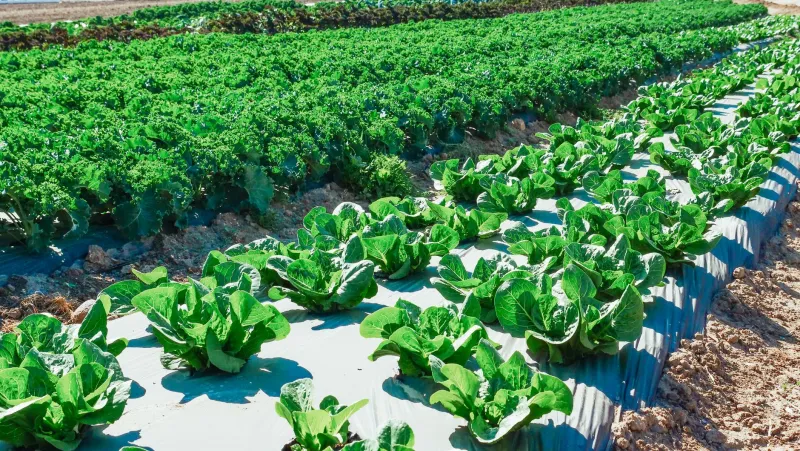
Flip the calendar to late spring and early summer, and the story completely changes. Soil temperatures climb, microbial communities wake up and get to work, and longer days give plants the light energy they need to synthesize compounds in earnest.
June lettuce — especially from a farm that's been building soil health over multiple seasons — is a genuinely different product. Folate levels tend to peak in spring and early summer greens. Vitamin K, critical for bone health and cardiovascular function, runs significantly higher in sun-exposed summer leaves. And the bitter compounds in greens like arugula and radicchio, which many people try to avoid, are actually concentrated polyphenols that support liver function and gut health. Those bitters are more pronounced in summer, which is your body's cue that something useful is happening.
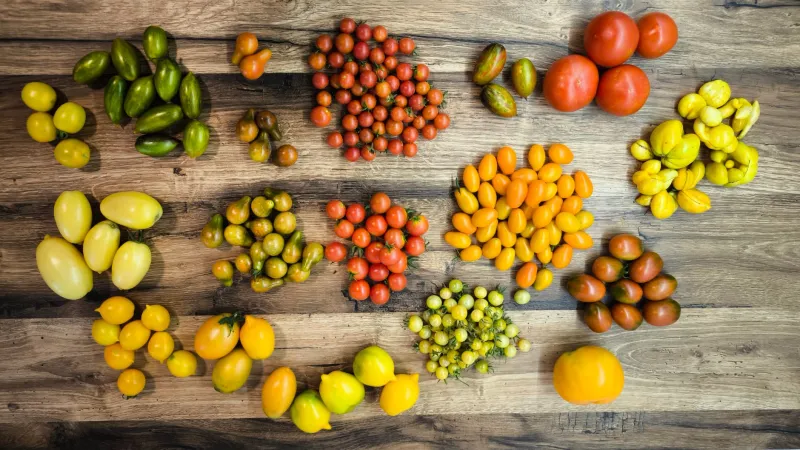
Beyond lettuce specifically, summer is when the nutritional ROI on organic produce is highest across the board. Tomatoes accumulate lycopene most efficiently under high heat and full sun. Peppers develop their capsaicin and vitamin C content in direct proportion to sun exposure. Even herbs like basil and oregano reach their peak essential oil concentration — and therefore their most potent antimicrobial and anti-inflammatory activity — in the height of summer.
So What Do You Do With This in January?
The answer isn't to give up on winter vegetables. It's to recalibrate what you're reaching for.
Some crops are genuinely built for cold. Root vegetables like carrots, parsnips, and beets store energy and minerals underground, and a frost can actually increase their sweetness and nutrient density by triggering sugar conversion as a cold-protection mechanism. Winter squash harvested in fall and properly cured is a nutritional powerhouse that holds its beta-carotene content for months. Kale and other brassicas, interestingly, often become more nutritious after a frost — the cold stress triggers glucosinolate production, which are the sulfur compounds linked to cancer-protective benefits.
Fermented and preserved organic produce is another underrated winter strategy. Lacto-fermented vegetables like sauerkraut and kimchi made from peak-season cabbage retain much of their mineral content and add a probiotic layer that fresh winter greens simply can't offer.
And if you're growing your own — even a small indoor setup under grow lights — you have more control over this than you might think. Microgreens, for example, are harvested at the cotyledon stage when nutrient density is exceptionally high regardless of season. A tray of organic sunflower microgreens in February can deliver more vitamin E and zinc per ounce than a full head of winter lettuce.
Eating With Intention Means Knowing the Invisible Stuff
At Kelly Tee Garden Organics, we talk a lot about growing with love and eating with purpose. This is what that second part actually looks like in practice — not just choosing organic, but understanding that the when and where of your food is doing as much nutritional work as the what.
Seasonal eating isn't just a nostalgic throwback or a farmers market aesthetic. It's a biochemically sound strategy. Your body isn't a static machine that processes nutrients identically year-round. It has its own seasonal rhythms, and when your food's rhythms align with yours, something clicks into place that no supplement stack can fully replicate.
The lettuce in January isn't bad. But June's lettuce? That one's working overtime for you. Know the difference, and let it guide how you shop, grow, and eat through every season.