The Wait Is Worth It: How Organic Produce Actually Gets Better After It Leaves the Farm
There's a voice in the back of every farmers market shopper's head. You've just handed over your cash for a beautiful bundle of organic carrots or a pint of blueberries, and that voice says: eat them today, or lose them forever. The clock is ticking. Flavor is fading. Every hour counts.
Except — what if that voice is wrong?
Emerging research in post-harvest plant biology is challenging one of our most stubborn food assumptions: that freshness and peak flavor always arrive at the exact same moment. For a surprising range of organically grown produce, the flavor story doesn't end at harvest. It keeps developing. And for shoppers who know how to work with that window, the payoff is a noticeably better eating experience.
What's Actually Happening Inside Your Produce After Harvest
Plants don't just stop being alive the second they're picked. Many fruits and vegetables continue a cascade of enzymatic and chemical activity long after they've left the soil. Starches convert to sugars. Volatile aromatic compounds — the molecules responsible for what we actually taste when we bite into something — continue to synthesize and concentrate.
This process is well understood in fruit ripening. A banana goes from green to yellow to spotted for a reason. A tomato left on the counter deepens in flavor as its lycopene and sugar content shift. But what's less commonly discussed is how the growing method affects how this post-harvest chemistry unfolds.
Organically grown produce, particularly that raised in nutrient-rich, biologically active soil, tends to have a more complex internal chemistry than its conventionally farmed counterpart. Higher concentrations of polyphenols, phytonutrients, and natural plant compounds don't just make organic produce healthier — they give it more raw material to work with during that post-harvest window. In short, there's more going on inside an organic carrot than a conventional one, and that complexity has somewhere to go after harvest.
The Carrot That Gets Sweeter in Your Fridge
Here's a specific example that might genuinely surprise you: carrots.
Freshly harvested carrots are sometimes less sweet than carrots that have been stored for two to four days at proper refrigerator temperatures. The cold triggers a stress response in the root vegetable, accelerating the conversion of starches into simple sugars — a process called cold-induced sweetening. This is the same reason carrots left in the ground through a light frost often taste remarkably sweet when finally pulled.
For organically grown carrots — which typically have higher baseline levels of plant sugars and complex carbohydrates due to slower growing conditions and richer soil nutrition — this post-harvest sweetening can be even more pronounced. If you've ever grabbed a handful of organic baby carrots on day three of your fridge haul and thought they tasted almost candy-like, you weren't imagining it.
Berries, Breathing, and the Aromatic Peak
Berries are famously fragile, and yes, they do have a shorter window than root vegetables. But there's nuance here, too.
Organically grown blueberries, blackberries, and raspberries contain notably higher levels of anthocyanins and aromatic esters compared to conventionally grown varieties. These compounds contribute directly to the deep, complex flavor that makes a good berry taste like something rather than just sweet water with color.
In the 24 to 48 hours after harvest, these aromatic compounds continue to concentrate as the berry's cellular structure relaxes slightly and releases more volatile fragrance molecules. The berry isn't rotting — it's opening up. Flavor scientists sometimes describe this as the fruit "breathing out" its most complex notes.
The catch is temperature management. Organic berries held at a consistent 34–38°F will hold this aromatic peak far longer than berries that swing between temperatures. If you're bringing home a pint from your local market, resist the urge to eat them straight from the bag. Let them sit in the fridge overnight. Then pull them out 20 minutes before eating so they can warm slightly. That's when the full flavor profile shows up.
Why Conventional Produce Doesn't Get the Same Benefit
This is where the growing method really matters — and why this isn't just a fun food science curiosity but a genuine argument for choosing organic.
Conventional produce is often harvested early to survive long-distance shipping, then artificially ripened with ethylene gas at distribution centers. That process fast-forwards the ripening timeline in a way that mimics the appearance of ripeness without allowing the underlying chemical complexity to develop naturally. The result is produce that looks ripe on day one but has nowhere interesting to go on day three.
Organic produce — especially that grown on small farms using regenerative or biodynamic practices — is typically harvested closer to true maturity, because it's not traveling as far. The internal chemistry is more intact. The post-harvest window is a genuine continuation of a living process, not a race against artificial intervention.
Synthetic fertilizers also play a role here. Nitrogen-heavy conventional growing pushes plants to produce volume quickly, diluting the concentration of flavor compounds per unit of produce. Organically grown plants, working harder in more complex soil environments, tend to pack more into each cell. That density is what gives post-harvest chemistry something to work with.
How to Time Your Purchases for Maximum Flavor
So how do you actually use this information at the store or market?
For root vegetables (carrots, parsnips, beets): Buy them freely and let them sit in the crisper drawer for two to four days before using. They'll be at their sweetest right around that window.
For berries: Buy them one to two days before you plan to eat them. Store them dry, unwashed, at consistent refrigerator temperature. Pull them out to room temp for 15–20 minutes before eating.
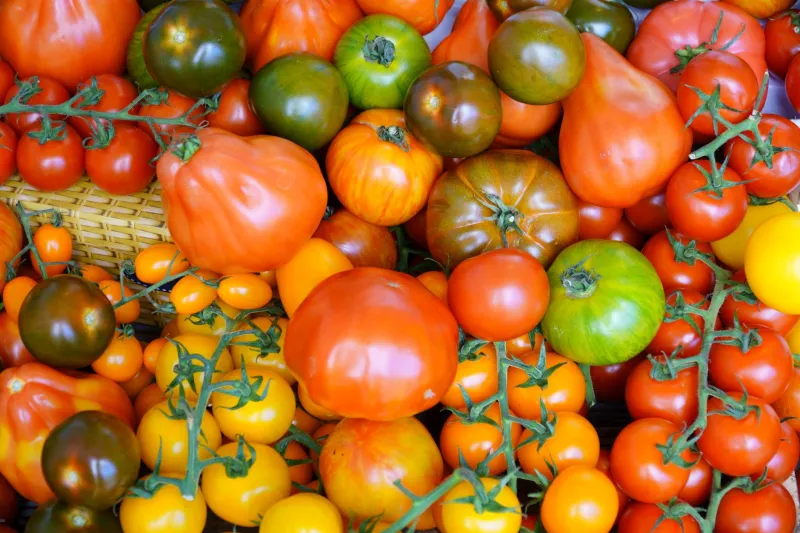
For tomatoes: Never refrigerate. Leave them on the counter out of direct sunlight. Organic tomatoes harvested at near-full maturity will continue developing flavor for several days at room temperature — sometimes peaking around day two or three.
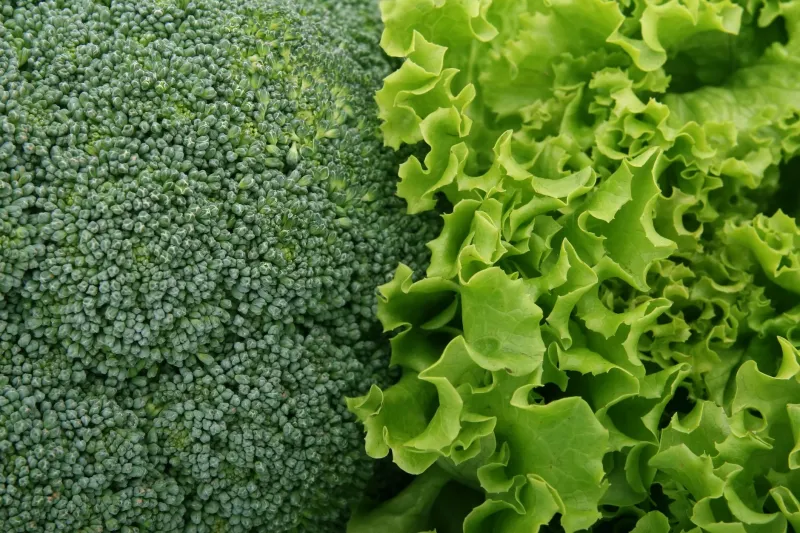
For leafy greens: Here, the conventional wisdom holds. Eat them sooner. Greens lose nutrition and flavor quickly after harvest, and post-harvest chemistry doesn't work in their favor the way it does for denser produce.
A Different Relationship With Your Produce
At Kelly Tee Garden Organics, we're big believers in slowing down and actually paying attention to what you're eating and why. This post-harvest flavor science is a perfect example of why that matters.
When you understand that your organic carrots have a peak flavor window — and that it's not the moment you unpack your grocery bag — you start to interact with your food differently. You plan a little. You taste intentionally. You stop treating produce like a countdown and start treating it like something that's still unfolding.
That's the whole point of eating with purpose. The farm did its job. Now give the science a couple of days to do its part.
Your taste buds will notice the difference.