From Farm to Fridge to Flavorless: The Clock That's Working Against Your Organic Produce
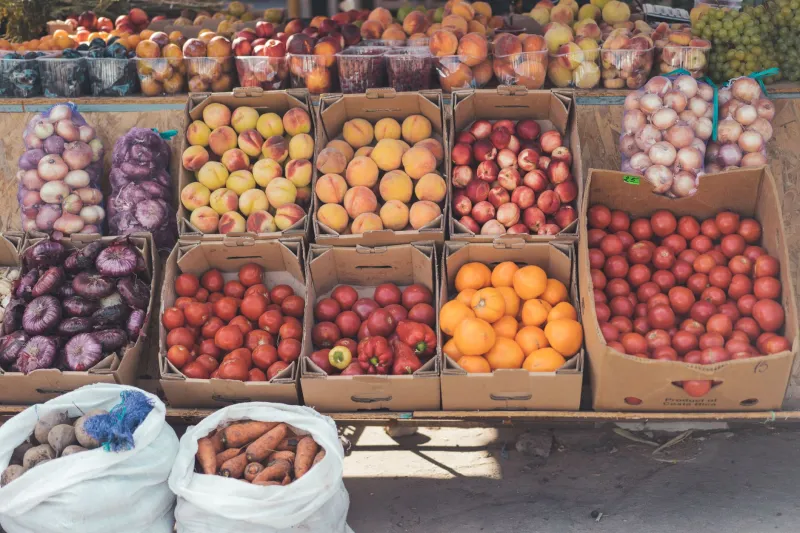
There's a particular kind of disappointment that hits when you bite into an organic peach you paid a real price for — and it tastes like slightly sweet water. You did everything right. You bought from a trusted source. You chose organic. And still, somehow, the flavor just isn't there.
Here's the thing: the peach probably was extraordinary, once. The problem isn't the farm. It's the clock.
The Ripeness Paradox Nobody Talks About
Organic growers who prioritize flavor — and most small-scale ones genuinely do — face a brutal trade-off at harvest time. A tomato or stone fruit picked at true peak ripeness is chemically complex, sugar-loaded, and intensely aromatic. It's also fragile. The same biological processes that create that depth of flavor are actively breaking down cell structure, converting sugars, and releasing volatile compounds into the air the moment the fruit leaves the vine.
Conventional growers solved this problem decades ago by breeding produce to be picked green and hard, then gassed into cosmetic ripeness later. Organic growers, especially those focused on heirloom and heritage varieties, largely rejected that trade-off — which is exactly why their stuff tastes better. But it also means you're working with a much tighter timeline than you might expect.
A genuinely ripe organic strawberry has maybe 48 to 72 hours before it starts losing the volatile compounds that make it smell and taste like a strawberry. A peak-ripe tomato? Flavor degradation begins within a day or two of harvest, even under ideal conditions. We're not talking about the fruit going bad — we're talking about the flavor quietly leaving the building while the fruit still looks perfectly fine sitting on your counter.
What Happens Inside That Fridge
Your refrigerator, counterintuitively, is often part of the problem. Cold temperatures slow spoilage, yes — but they also suppress the enzymatic activity responsible for flavor development and can permanently damage cell structure in certain fruits. Tomatoes are the classic example: refrigerating them stops ripening cold and can cause what food scientists call "chilling injury," a breakdown of texture and flavor compounds that doesn't reverse when the fruit warms back up.
Stone fruits — peaches, nectarines, plums — are similarly cold-sensitive. The recommended storage for most of these is actually room temperature until fully ripe, then the fridge if you need to slow things down slightly. But most of us do the opposite: we buy, we refrigerate everything immediately, and we wonder why nothing tastes right.
Leafy greens and herbs are on the other end of the spectrum — they want cold and humid, and they deteriorate fast without it. Storing basil in the fridge, though, is another mistake: it turns black and loses aroma within hours. The point is that "put it in the fridge" is not a one-size-fits-all strategy, and treating your organic produce like a uniform category is costing you flavor every single week.
The Shopping Habit That's Quietly Sabotaging You
Most American households shop once or twice a week, stock up, and then eat through the fridge over the following days. That rhythm works fine for pantry staples and proteins. For peak-ripe organic produce, it's a flavor disaster.
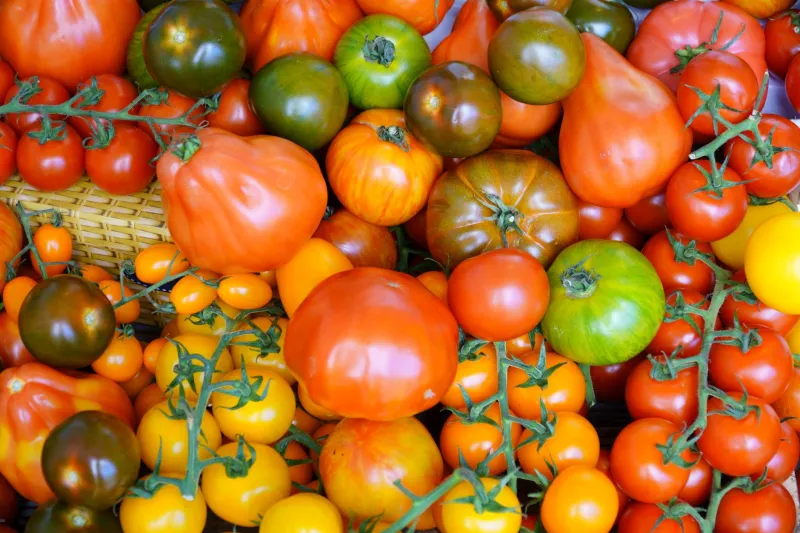
When you buy a farmers market tomato on Saturday morning and don't eat it until Wednesday night, you've essentially paid a premium for produce that had its best moment without you. This isn't a criticism — it's just a mismatch between shopping habits built around convenience and the biological reality of what you're buying.
The fix isn't complicated, but it does require a small shift in how you think about your weekly food routine.
Practical Strategies for Getting the Most Out of What You Buy
Shop with a plan, not a stockpile mentality. Before you hit the farmers market or organic section, think about what you're actually cooking in the next two to three days. Buy the delicate, high-flavor items — berries, tomatoes, fresh herbs, stone fruits — in quantities you'll realistically use in that window. Reserve your bigger hauls for hardier items: winter squash, root vegetables, cruciferous greens, and citrus, which hold much longer without flavor loss.
Ask your farmer when it was picked. This is one of the most underused questions at any farmers market. Many small growers harvest the morning of market day, which means you're getting genuine freshness. Others harvest the night before or even a couple of days prior. Knowing this helps you calibrate your eating timeline. A good farmer won't be offended — they'll probably appreciate that you care.
Learn the storage rules for what you're actually buying. Tomatoes: counter only, stem side down, away from direct sun. Stone fruits: counter until ripe, then fridge for a day or two max. Berries: refrigerate immediately, unwashed, in a single layer if possible, and eat within two days. Fresh herbs: trim stems and store like cut flowers in a glass of water on the counter (except cilantro, which prefers the fridge). Leafy greens: cold and slightly damp, wrapped loosely in a clean cloth.
Use your freezer strategically. If you've got more ripe produce than you can eat in time, the freezer is your friend — but only if you act before flavor loss sets in, not after. Blanch and freeze peak-ripe corn, green beans, or tomatoes at their best. Freeze ripe bananas and stone fruits for smoothies. This is how you capture the season's best without wasting a dollar.
Stagger your purchases. If you shop at a farmers market on Saturday, consider making a midweek stop at a local co-op or farm stand for the more delicate items. Two smaller shops beat one big one when you're buying produce that's genuinely alive and changing.
The Bigger Picture
None of this is meant to discourage you from buying organic or supporting local growers — quite the opposite. Understanding these dynamics makes you a smarter, more intentional buyer, which ultimately means more of your food dollars go toward actual flavor and nutrition rather than produce that peaked before you got to it.
Organic farmers put real work into coaxing complexity out of living soil. The least we can do is meet them halfway with a little planning on our end. When you sync your shopping rhythm with the actual biology of what you're buying, the gap between farm-fresh promise and kitchen reality closes fast — and suddenly that peach tastes exactly like it was supposed to all along.
That's the whole point of eating with purpose. Not just buying the right thing, but following through all the way to the table.