Same Tomato, Totally Different Bite: The Week-to-Week Science Behind Farmers Market Flavor
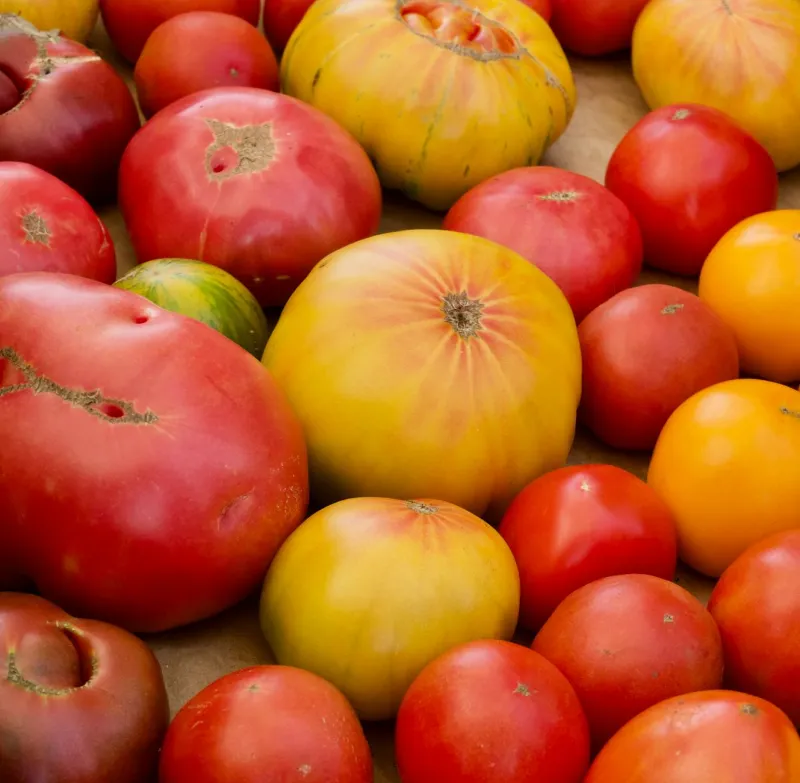
You've been there. You found a tomato at the farmers market two weekends ago that made you seriously reconsider everything you thought you knew about tomatoes. Bright, complex, almost sweet with a little tang at the finish. So you went back last Saturday, grabbed a few more from the exact same vendor, same variety tag on the sign — and they were... fine. Good, even. But not that.
You weren't imagining it. That flavor gap is real, and it's not random. It's the result of a surprisingly intricate set of conditions that shift constantly on a working organic farm. Once you start understanding what drives those changes, farmers market shopping transforms from a hit-or-miss experience into something closer to a seasonal conversation — one you can actually follow.
The Week Before You Bite Is When Everything Happens
Here's the thing about tomato flavor: it's mostly built in the days just before harvest. The sugars, acids, and aromatic compounds that make a tomato taste like something rather than nothing are the product of a final ripening push — one that's exquisitely sensitive to temperature, light, water, and timing.
Nighttime temperatures are a huge factor that most people never think about. When nights dip into the mid-50s to low 60s Fahrenheit, tomatoes slow their respiration. That slowdown lets sugars accumulate rather than burn off, which is why late-summer tomatoes — especially after the first cool nights of August — often taste noticeably sweeter than those picked during a stretch of hot, muggy weather. A week of warm nights, and the same plant, same variety, same soil can produce fruit that's measurably lower in soluble sugars.
So when you notice a flavor dip between visits, it's worth asking: what was the weather like in the week leading up to harvest? That single variable can explain a lot.
Soil Moisture Does More Than Keep Plants Alive
Organic growers who've been farming for a while will tell you something that sounds almost counterintuitive: a little stress makes a better tomato. Not drought-level stress — that just causes problems — but a measured tightening of soil moisture in the final week before picking can concentrate flavors dramatically.
When plants are well-watered right up to harvest, fruit tends to swell with more water content. That dilutes the sugars, acids, and volatile compounds that give tomatoes their depth. A dry spell in the final stretch, by contrast, nudges the plant to push more of its energy into seed production — which means more of those compounds in the flesh surrounding those seeds.
Rainfall timing matters here in ways that are completely outside a farmer's control. A heavy rain three days before a Saturday market? You might notice the tomatoes taste a little flat compared to what you remember. It's not a quality problem — it's just water. The flavor will be back.
Harvest Timing Is Its Own Art Form
Even within a single week, the window for picking a tomato at peak flavor is narrow. Pick too early and the sugars haven't fully developed. Pick too late and the volatile aromatics — the compounds responsible for that complex, almost floral quality in a great heirloom — have already started breaking down.
At a small organic farm, this is a daily judgment call. The farmer is walking rows, squeezing gently, watching color, smelling the stem end. On a busy week — maybe there's a big CSA box to pack, or a wholesale order went out Thursday — the Saturday market harvest might happen at a slightly different point on the ripeness curve than it did two weeks ago.
This isn't a failure. It's the reality of a living system being managed by actual humans. And it's one of the most honest things about buying from small farms: the product reflects real decisions made in real time, not a standardized protocol designed to produce uniform mediocrity at scale.
What Happens After the Pick
Post-harvest handling is one of the most underappreciated flavor variables in the whole chain. Tomatoes are notoriously cold-sensitive — chill them below about 55°F and enzymatic activity that produces their best aromatics shuts down, often permanently. That's why a supermarket tomato that's been refrigerated during shipping tastes like a wet sponge even if it looks beautiful.
At a farmers market, most small vendors know this. But there are still differences in how long tomatoes sit in a truck, whether they're shaded properly on a hot day, and how they're handled between farm and stand. A vendor who harvested Thursday morning and drove two hours to a Friday-evening setup might have fruit that's just a little more fatigued than someone who harvested Friday afternoon for a Saturday morning market ten miles away.
This is worth asking about, honestly. Most farmers love the question. "When did you pick these?" opens up a conversation that can completely change how you shop.
How to Read the Market Instead of Just Shopping It
Once you know what's driving these week-to-week swings, you can start anticipating them rather than being surprised by them.
Watch the weather in the week before your market day. A run of cool nights followed by sunny days is about as good as it gets for tomato flavor. A heat dome or a stretch of afternoon thunderstorms is going to show up in the fruit.
Ask about the harvest window. Vendors at good farmers markets are used to customers who care. A simple "how long have these been off the vine?" tells you a lot about what you're about to taste.
Smell before you buy. The stem end of a ripe, flavorful tomato should smell like a tomato — grassy, bright, a little acidic. If it doesn't smell like much, it probably won't taste like much.
Adjust your expectations seasonally, not just weekly. Early-season tomatoes are rarely as complex as peak-August fruit. Late-season ones, picked just before the first frost threat, can be absolutely extraordinary — concentrated and rich in a way that makes you want to eat them with nothing but salt.
The Bigger Picture
What makes the farmers market experience different from the grocery store isn't just that the produce is fresher or more local — though both of those things matter. It's that you're buying something that's genuinely alive with variability. The flavor of a tomato from a small organic farm is a record of the specific week it lived through: the rain, the temperatures, the soil, the farmer's decisions, the timing of the pick.
That variability isn't a bug. It's the whole point.
At Kelly Tee Garden Organics, we talk a lot about eating with purpose — and part of that is learning to read what your food is actually telling you. A tomato that tastes different from last week's isn't a disappointment. It's a dispatch from a living farm, reporting back on everything that happened since you were last paying attention.
That's worth showing up for, every Saturday, all season long.