Eat It Now or Eat It Later? A Practical Guide to Getting the Most Out of Every Farmers Market Trip
Saturday morning. You've done everything right. You showed up early, found the farmers whose practices you trust, and loaded a canvas bag with the most beautiful produce you've seen all week. You get home, put everything in the fridge, and feel genuinely good about your choices.
Here's the part nobody tells you at the market: the clock started the second that food left the ground. And for some of what's in that bag, it's moving faster than you'd expect.
This isn't a reason to panic — it's a reason to plan. Once you understand the basic biology of what's happening inside freshly harvested produce, organizing your week around your market haul becomes almost automatic.
Why "Fresh" Is a Moving Target
Live plants are in constant biochemical motion. They're respiring, converting starches to sugars, producing and breaking down enzymes, and synthesizing the volatile aromatic compounds that give them their flavor. The moment a vegetable is harvested, it's severed from the system that was managing all of that activity. What happens next is essentially a controlled — or sometimes uncontrolled — unwinding.
The rate at which that unwinding happens varies dramatically depending on the type of produce, how it was harvested, and how you store it. But a few consistent patterns emerge from the research that can genuinely guide how you eat through your weekly haul.
Respiration rate is the key variable. High-respiration produce — things like corn, broccoli, peas, and leafy greens — burns through its own energy reserves quickly after harvest and degrades nutritionally at a faster clip. Low-respiration produce — winter squash, potatoes, onions, garlic — can hold its nutritional value for days or even weeks under proper conditions.
The First 24 Hours: Highest Stakes, Highest Reward
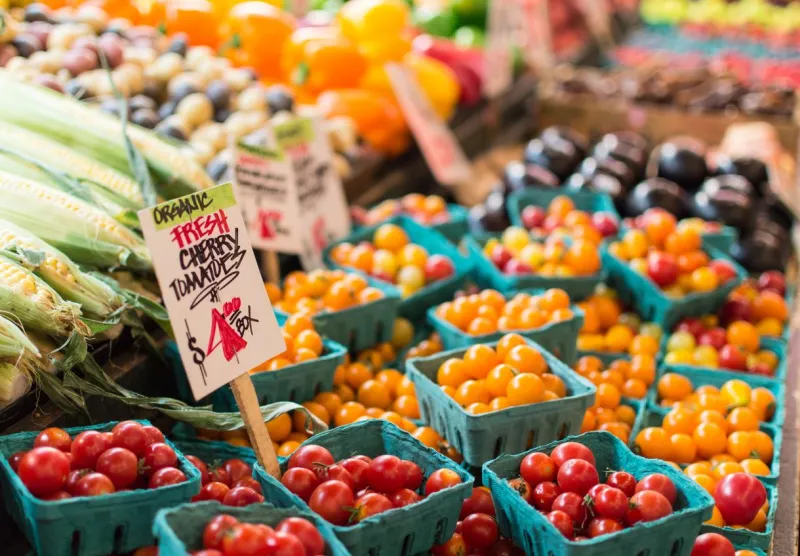
Corn is the most dramatic example in the first-day category. Sweet corn begins converting its sugars to starch almost immediately after picking — some estimates suggest it can lose up to 50% of its sugar content within 24 hours at room temperature. That's why corn bought directly from a farmer who harvested it that morning tastes almost dessert-like, while corn that's been sitting in a supermarket bin for two days is starchy and flat.
If you bought corn at the market, eat it that night. Don't overthink it — just boil it, grill it, or cut it off the cob into a quick sauté. The window is real and short.
Shelling peas and fava beans follow a similar trajectory. Their sugars convert to starch rapidly, and their delicate vegetal sweetness fades within hours. Snap peas and snow peas have a bit more staying power thanks to their pods, but they're still best within the first day or two.
Fresh herbs — basil in particular — are also in this category. Basil begins losing its aromatic volatile compounds (primarily linalool and eugenol, the molecules responsible for that characteristic perfume) within hours of harvest. Use it immediately, or blend it into a quick pesto and store that instead.
Days Two and Three: The Sweet Spot for Most Produce
For the majority of what you'll bring home from a farmers market, the 24-to-72-hour window is where peak flavor and nutrition intersect most reliably.
Leafy greens — kale, chard, arugula, spinach — hold their chlorophyll (and the iron and magnesium bound up within it) well for two to three days when stored properly. Chlorophyll breakdown accelerates with exposure to light, heat, and ethylene gas (the ripening hormone produced by fruits), so keep your greens in a sealed bag or container in the coldest part of your fridge, away from apples, bananas, and tomatoes.
Broccoli and cauliflower are in this window too. Broccoli in particular loses vitamin C at a measurable rate post-harvest — studies have shown losses of 10-15% per day under refrigeration. It's not catastrophic, but it's real. Eat your brassicas within two to three days for maximum nutritional return.
Summer squash, cucumbers, and green beans also belong in this middle-priority group. They won't fall apart after three days, but their texture and flavor are noticeably better earlier in the week.
Day Four and Beyond: The Patient Produce
This is where you stop worrying and just live your life.
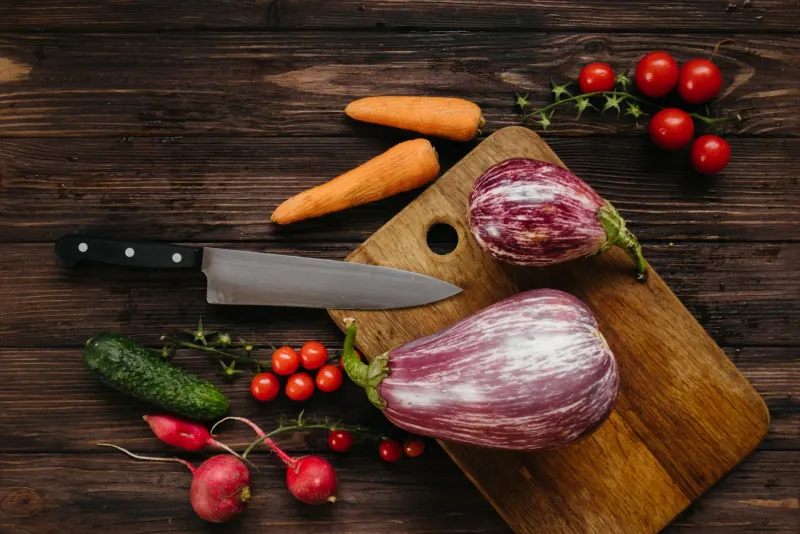
Root vegetables — carrots, beets, radishes, turnips, and parsnips — store beautifully for a week or more in the fridge. Their dense cellular structure slows respiration, and their nutrient content is relatively stable over time. Remove the greens before storing (they pull moisture from the roots), and you've got reliable nutrition in your vegetable drawer for the whole week.
Winter squash, cured onions, and garlic don't even need refrigeration. Store them in a cool, dry spot on your counter or in a pantry and they'll hold for weeks. These are your insurance produce — the items that make sure you always have something whole and nutritious to work with even if the week gets chaotic.
Tomatoes are a special case. Never refrigerate them — cold temperatures halt the enzymatic activity that continues developing their flavor after harvest, and they'll become mealy and muted. Keep them on the counter at room temperature and eat them within three to five days, depending on how ripe they were when you bought them.
A Simple Weekly Framework
You don't need a spreadsheet. Here's a rough mental map for organizing your week:
Saturday/Sunday (market day and the day after): Corn, shelling peas, fresh herbs, anything that looks like it's at peak ripeness right now.
Monday/Tuesday: Leafy greens, broccoli, cauliflower, summer squash, cucumbers, green beans. Cook or eat these before midweek.
Wednesday/Thursday: Carrots, beets, radishes, cabbage, fennel. Still excellent, holding strong.
Friday and beyond: Root vegetables you haven't gotten to yet, plus any winter squash, onions, garlic, or potatoes. These are your "end of week" standbys.
Tomatoes weave throughout the week based on their ripeness when you bought them — watch them on the counter and eat them when they're ready.
One More Thing: How You Store It Matters as Much as When You Eat It
Even the best produce can degrade faster than necessary with poor storage. A few high-impact habits:
- Keep ethylene producers away from ethylene-sensitive produce. Apples, pears, and bananas release ethylene gas that accelerates ripening (and over-ripening) in nearby vegetables. Store them separately.
- Don't wash before storing. Excess moisture speeds up mold and cellular breakdown. Wash right before you eat or cook.
- Use your crisper drawers correctly. High-humidity settings are for leafy greens and vegetables. Low-humidity settings are for fruits. Most people ignore this and it makes a real difference.
The farmers market is one of the most direct connections you have to genuinely nourishing food. A little intentionality about when and how you eat through your haul makes sure that connection translates all the way to your plate — not just your grocery bag.