Does Your Apple Know Where You Live? The Case for Eating Gut-Local
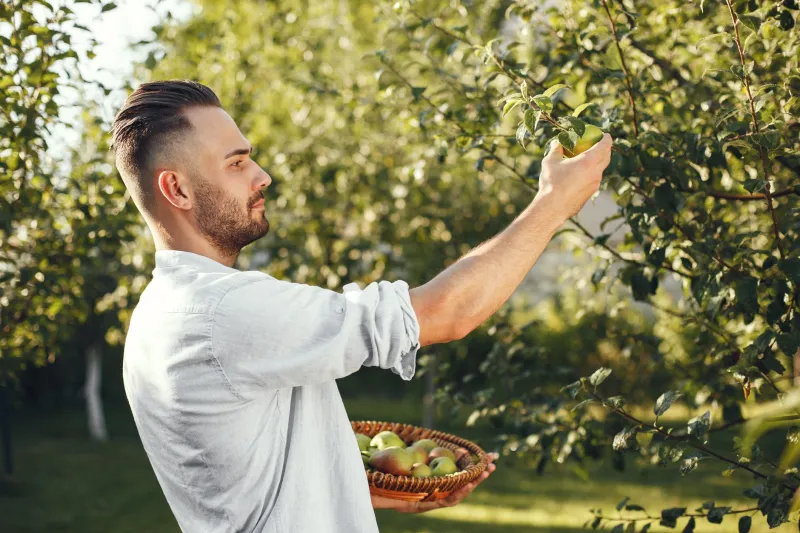
Picture two organic apples sitting side by side at your local farmers market. Both certified. Both pesticide-free. Both grown with care and intention. But one came from a small orchard in Vermont's Champlain Valley, and the other traveled from a sprawling farm in California's Central Valley. On paper, they're basically the same thing. Nutritionally, they're close enough to fool most lab tests.
But inside — in the invisible world of microbes clinging to their skins, embedded in their flesh, shaped by the soil they grew from — they might be telling completely different stories. And your gut, depending on where you live, might be listening to one of those stories a whole lot more closely than the other.
This is the emerging science of regional microbiomes. And once you understand it, the phrase "eat local" starts to mean something way deeper than freshness.
What Even Is a Soil Microbiome?
Soil isn't dirt. That sounds like something you'd embroider on a tote bag, but it's genuinely worth sitting with. A single teaspoon of healthy organic soil contains somewhere between one billion and ten billion individual microorganisms — bacteria, fungi, protozoa, nematodes, archaea — all interacting in a web so complex that scientists are still barely scratching the surface of it.
This microbial community isn't uniform across the country. The soil in a Vermont apple orchard that's been composted and cover-cropped for decades looks nothing like the soil in a California operation, even if both are certified organic. Climate, elevation, native plant species, rainfall patterns, indigenous bacterial populations, and the specific history of how that land has been managed — all of it shapes a truly unique microbial fingerprint.
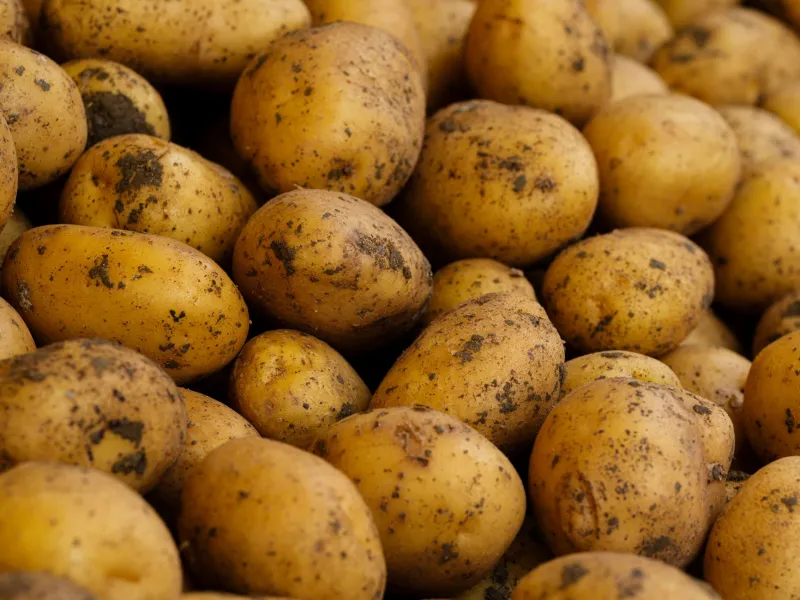
When a plant grows in that soil, it doesn't just absorb water and nutrients. It actively recruits microbes. Plant roots release compounds called exudates that essentially function as invitations, drawing specific bacteria and fungi into what's called the rhizosphere — the zone right around the root system. Some of those microbes make it into the plant itself. Others coat the surface of the fruit. The result is that every organic apple, peach, or bunch of kale carries a microbial signature that reflects the specific ecosystem it came from.
Your Gut Has a Geography, Too
Here's where it gets really interesting. Your gut microbiome isn't just shaped by what you eat — it's shaped by where you live. The water you drink, the soil particles you inadvertently inhale, the microbes on the surfaces you touch, the native fermented foods common to your region — all of it contributes to a gut community that is, in some meaningful ways, geographically specific.
Researchers studying traditional communities have long noticed that gut microbiome diversity tends to mirror local environmental microbial diversity. People who live in close contact with the land around them tend to have gut communities that reflect that land. It's a kind of biological conversation between human and place that industrial food systems have largely interrupted.
So what happens when you eat produce grown in a microbial environment similar to your own? Emerging research suggests the microbial populations on locally-grown organic food may be more likely to include strains that are already familiar to your gut — strains it knows how to work with, integrate, and potentially benefit from. It's not guaranteed, and the science is still young, but the logic is compelling: your gut evolved in relationship with local microbial ecosystems. Feeding it food from those same ecosystems might just be speaking its native language.
Real Families, Real Shifts
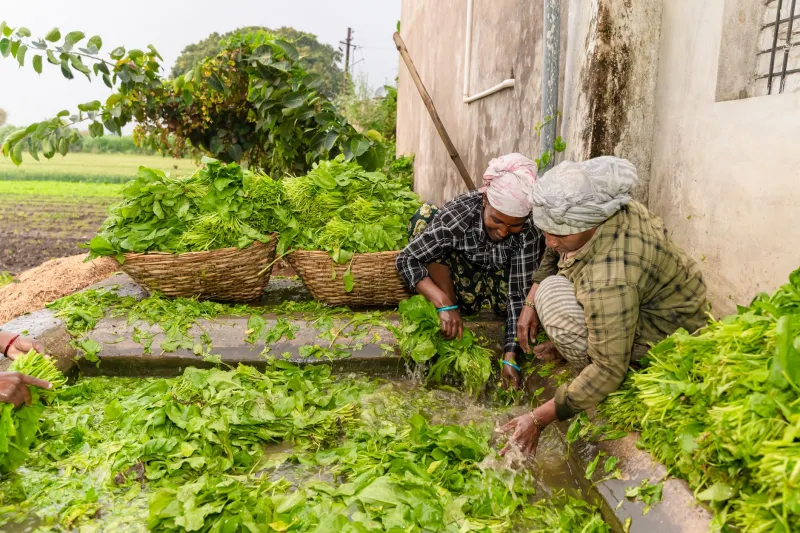
We've heard from several families in our community who made deliberate switches to hyper-local organic produce and noticed changes that surprised them.
Take the Reyes family in upstate New York. After years of buying organic from national distributors, they joined a CSA from a farm about twelve miles from their home in the Hudson Valley. Within a couple of months, one family member who'd dealt with chronic bloating noticed it had become far less frequent. Was it the freshness? The specific varieties? The regional soil microbiome? Probably some combination — but the shift was real enough that they haven't gone back.
Or consider a family in rural Minnesota who started getting weekly boxes from a local regenerative farm after years of buying organic produce shipped in from the West Coast. They described it as their food suddenly "agreeing with them" in a way they couldn't fully explain. These are anecdotes, not clinical trials. But they point toward something the science is starting to take seriously.
The Freshness Factor Amplifies Everything
There's another layer here that's easy to overlook: time. Microbial populations on produce aren't static. They shift and decline the longer food sits in transit, cold storage, and distribution networks. An apple that spent two weeks traveling from California to your grocery store in Ohio has had a lot of time for its surface microbiome to degrade — regardless of how pristine the soil it came from was.
Local organic produce, harvested and in your hands within days rather than weeks, arrives with a more intact microbial community. Combined with the regional alignment we've been talking about, you're getting both quantity and relevance. That's a pretty meaningful double advantage that no amount of organic certification on a long-haul shipment can replicate.
What This Means for How We Shop
None of this is an argument against organic produce from other regions. Buying organic from California is still infinitely better than buying conventional from anywhere. But it is an argument for treating local sourcing as a genuine health consideration — not just an environmental or economic one.
When you buy from a nearby farm or farmers market, you're not just supporting a neighbor and cutting down on food miles. You may actually be feeding your gut a more relevant, more alive, more regionally resonant meal. That's a pretty extraordinary thing to think about while you're picking out apples on a Saturday morning.
At Kelly Tee Garden Organics, we've always believed that the story of food doesn't start at the grocery store. It starts in the soil — in the specific, living, breathing, microbially rich soil of the place where something was grown. The more we learn about the gut microbiome, the more it seems like your body has always known this, even when your brain hadn't caught up yet.
Start Simple
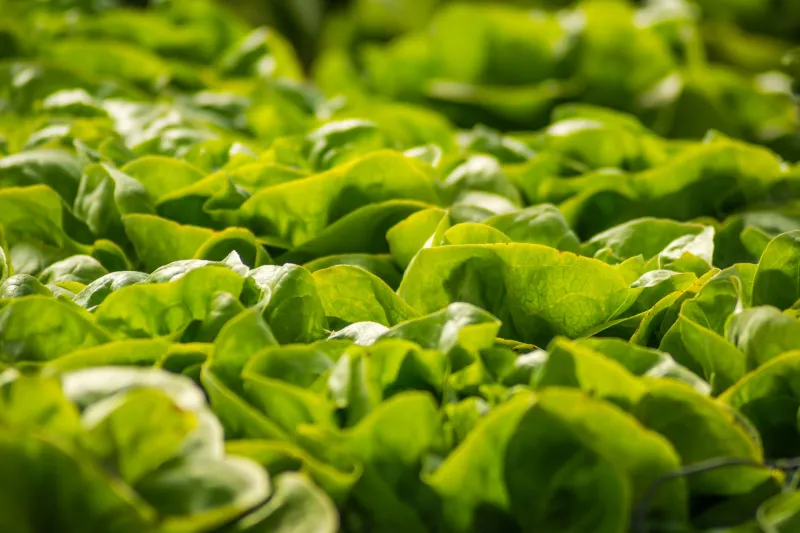
You don't need to overhaul your entire grocery routine overnight. Start by identifying one or two local farms or CSAs near you. Prioritize locally-grown options for the produce you eat most frequently — apples, leafy greens, root vegetables, whatever shows up most in your kitchen. Pay attention to how you feel. Not in a hyper-vigilant way, just with curiosity.
Your gut is one of the most sophisticated ecosystems on the planet. It deserves food that speaks its language. And more often than not, that language is rooted in the soil closest to home.