Peak Season, Peak Nutrition: The Science of When Your Organic Spinach Actually Has the Most Iron
You've made the switch to organic. You're reading labels, shopping local when you can, maybe even hitting the farmers market on Saturday mornings. That's real commitment — and it matters. But here's something most of us don't think about when we toss a bag of organic spinach into the cart in December: the calendar is doing something to that spinach that no certification sticker can fix.
Nutrient density in produce isn't static. It shifts with the seasons, the soil temperature, the hours of daylight, and how long that vegetable spent traveling before landing in your kitchen. And if you're eating organic specifically because you want more from your food — more iron, more antioxidants, more of the good stuff — then timing your purchases around peak harvest windows is the next level of intentional eating.
Let's get into it.
Why Harvest Timing Changes Everything at the Cellular Level
Plants build their nutritional profiles in response to their environment. Stress, sunlight, temperature, and soil microbial activity all trigger the production of vitamins, minerals, and phytochemicals. When a plant is growing under ideal seasonal conditions — the right amount of light, the right soil warmth, the right moisture — it's essentially running at full biological capacity.
Organic farms, which rely on living soil ecosystems rather than synthetic inputs, are especially responsive to these seasonal rhythms. The mycorrhizal fungi and beneficial bacteria that transfer minerals like iron and magnesium to plant roots are most active during specific temperature windows. This means an organically grown spinach leaf harvested in May from a biologically active spring soil is working with a fundamentally different set of inputs than the same variety pulled in December from a cold, slower soil ecosystem.
Research published in the Journal of Agricultural and Food Chemistry has shown that leafy greens harvested at the height of their natural growing season consistently test higher for key micronutrients — sometimes by margins of 20 to 40 percent compared to off-season counterparts. That's not a small difference when you're counting on those greens to support your iron levels or your folate intake during pregnancy.
Spinach: The May Window Is Real
Spinach is a cool-weather crop, which means it peaks in two windows in most of the US: spring (April through early June) and fall (September through October). The spring harvest — particularly May in states like California, Colorado, and the mid-Atlantic region — tends to be the nutritional sweet spot.
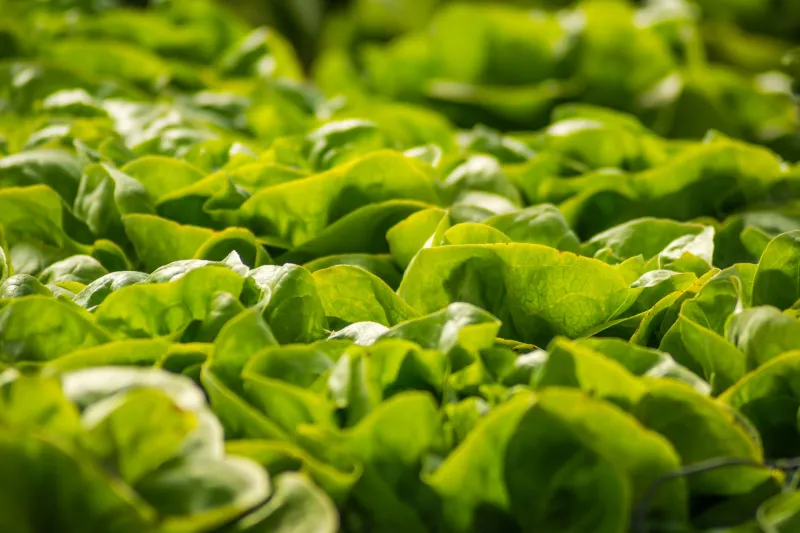
Here's why: spring spinach benefits from increasing daylight hours, which accelerates photosynthesis and drives up the concentration of chlorophyll, folate, and non-heme iron. The soil is also warming up from winter dormancy, which triggers a surge of microbial activity that makes mineral uptake more efficient. The result is a denser, darker leaf that genuinely carries more nutritional weight per cup than its winter greenhouse counterpart.
December spinach — often grown under artificial lighting in hydroponic or indoor operations, or shipped from regions far from where you live — tends to be paler, more watery, and lighter on iron and magnesium. It's still food, but it's not the same food.
The Produce-by-Produce Nutrient Calendar
Spinach isn't alone in this pattern. Here's a quick look at when other common organic staples hit their micronutrient peak across most of the continental US:
Broccoli shines in fall — October and November specifically. Cool nights concentrate glucosinolates (the cancer-fighting compounds) and boost vitamin C content. Summer broccoli grown in heat stress tends to bolt faster and deliver less.
Beets are at their highest in nitrate content — the kind that supports cardiovascular health and athletic performance — when harvested in late summer and early fall, roughly August through October. The combination of warm days and cooling nights drives sugar and mineral concentration simultaneously.
Kale is famously improved by frost. If you're buying kale in November or December from a local farm that's actually growing it outdoors, you're getting a sweeter, more nutrient-dense leaf than anything harvested in August. Cold temperatures trigger the plant to convert starches to sugars and concentrate its antioxidant load as a kind of biological antifreeze.
Bell peppers peak in late summer — July through September — when full sun exposure maximizes vitamin C and carotenoid production. A red bell pepper picked in peak season can carry up to three times the vitamin C of an orange. A red bell pepper shipped in January from a distant greenhouse? Much less so.
Sweet corn has one of the shortest nutritional windows of any vegetable: the sugar and folate content begins degrading within hours of harvest. Buying local, peak-season corn in July or August isn't just a flavor choice — it's a nutritional one.
What This Means for How You Shop
This isn't about creating a rigid food rule that stresses you out. It's about adding another layer of awareness to choices you're already making. A few practical shifts that don't require a spreadsheet:
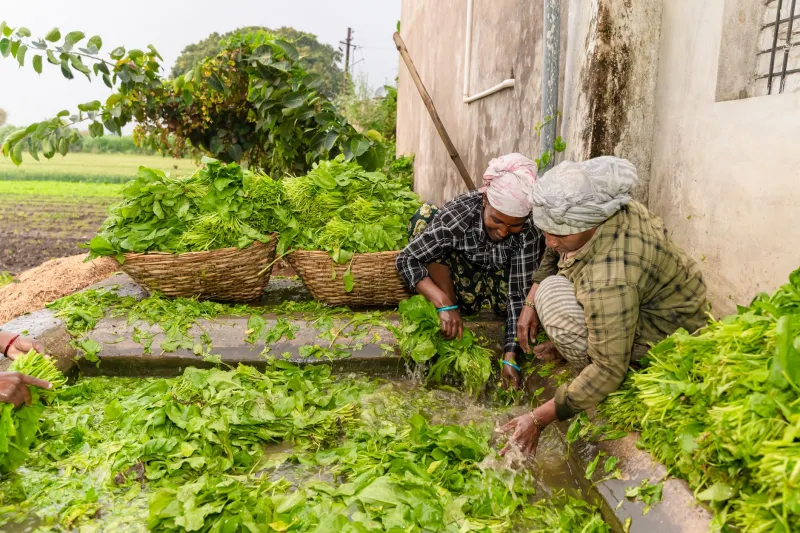
Prioritize local farmers markets for leafy greens. The shorter the time between harvest and your plate, the more nutrients survive the journey. A bunch of spinach from a farm two counties over that was cut that morning is going to outperform a bag that's been in a refrigerated truck for a week, regardless of what the label says.
Ask your farmer when they harvested it. This sounds intimidating but it's genuinely one of the most powerful questions you can ask at a market stall. Farmers love it, and the answer tells you a lot.
Use freezing strategically. If you hit a May farmers market and spinach is abundant and gorgeous, buy more than you need and blanch-freeze the rest. Freezing locks in a significant portion of the nutrient content at peak, which means your February smoothie is actually getting more iron from that frozen spring spinach than from fresh December spinach at the grocery store.
Pay attention to color and density. Deep, dark green leaves, firm beets, heavy peppers — these are physical signals of nutrient concentration. Pale, watery produce is often a sign of off-season growing conditions or excessive irrigation.
The Organic Advantage Compounds With Timing
Here's what makes all of this especially relevant if you're already committed to organic: the biological systems that make organic produce nutritionally superior in the first place — the soil microbiome, the mycorrhizal networks, the absence of synthetic nitrogen that can dilute mineral uptake — are all more active during natural peak growing seasons.
In other words, buying organic and buying in-season aren't two separate health strategies. They amplify each other. An organic farm's living soil delivers its biggest nutritional payoff when the plants are growing in their natural climate window, with the right light, the right temperature, and the right biological community underground doing what it evolved to do.
That May spinach from your local organic farm isn't just fresher. It's the product of a whole system firing on all cylinders.
Eat With Intention, Not Just Habit
At Kelly Tee Garden Organics, we talk a lot about eating with purpose — and this is exactly what that looks like in practice. It's not about perfection or eliminating convenience from your life. It's about understanding that your food has a story, and part of that story is when it was grown.
The nutrients in your plate didn't appear on a factory floor. They were built slowly, in soil, under specific skies, during specific weeks of the year. The more closely your eating aligns with those windows, the more you get from every single bite.
Start simple: find out what's actually in season near you this month. Then go get some of it, as fresh as you can find it. Your body will notice the difference — even if the label looks exactly the same.