Eat Your Zip Code: How Regional Seasonal Produce Rewires Your Taste Buds and Boosts Your Health
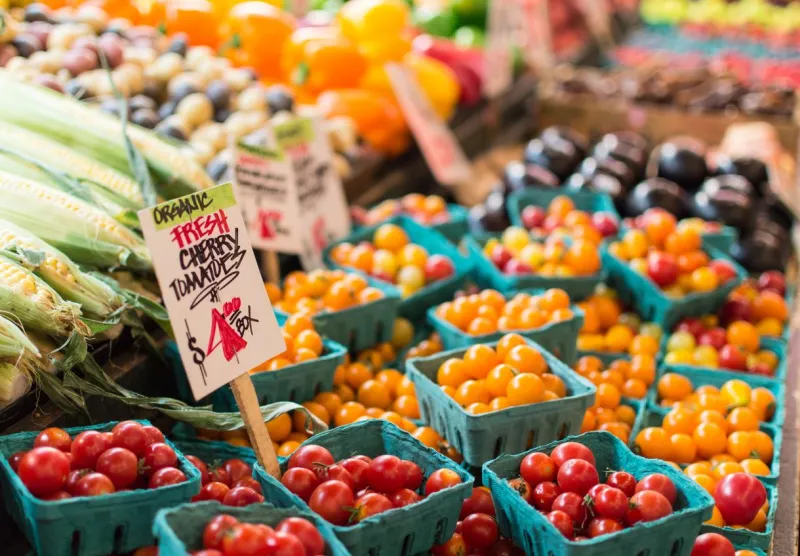
Photo: colorful seasonal farmers market produce regional US summer vegetables, via media.california.com
There's a particular kind of magic that happens when you bite into a Georgia peach in July, still warm from the tree, juice running down your wrist before you can even get it to a plate. Or when you pull an ear of Illinois sweet corn out of a pot of boiling water in August and eat it with nothing but butter and salt. These aren't just pleasant memories. They're your palate telling you something important: this is what food is supposed to taste like.
The problem is that most of us have spent years — sometimes decades — eating produce that was grown somewhere else, picked early, shipped across thousands of miles, and sold to us as though geography and timing don't matter. They do. Enormously.
Eating regionally and seasonally isn't a trend. It's a return to the way food actually works.
Why Your Zip Code Should Influence Your Grocery List
Every growing region in the United States has its own climate logic. The Pacific Northwest's cool, wet springs produce some of the most mineral-rich leafy greens in the country. The Gulf South's long, humid summers coax out collards and sweet potatoes with a depth of flavor that no greenhouse can replicate. The Upper Midwest's brief but intense growing season concentrates sugars in its sweet corn and tomatoes in ways that make supermarket versions taste like a pale imitation.
This isn't food snobbery. It's plant biology. When a crop grows in the climate it's adapted to, at the time of year it naturally wants to grow, it doesn't have to fight. It puts its energy into flavor compounds, vitamins, and phytonutrients instead of stress responses to heat, drought, or cold storage. The result is produce that tastes better and does more for your body.
Research consistently shows that the nutrient content of fruits and vegetables begins declining almost immediately after harvest. The longer the supply chain — and the further the food has to travel — the more nutritional value disappears before the food even reaches your plate. Eating regionally shortens that chain dramatically.
A Seasonal Flavor Map of the United States
Think of this as your starter passport. You don't need to travel anywhere — you just need to pay attention to what's growing near you.
Spring in the Mid-Atlantic and New England This is the season of asparagus, ramps, fiddlehead ferns, and early lettuces. These are cool-weather crops with a clean, grassy brightness that you simply cannot replicate in other seasons. Pennsylvania and New Jersey asparagus, harvested in late April and May, has a tenderness and slight sweetness that disappears by the time it reaches stores in January. If you live in this region, spring is your window for eating greens that are genuinely alive.
Summer in the Midwest Ohio, Indiana, and Illinois sweet corn is a regional institution for good reason. The high-starch soil of the Corn Belt, combined with warm days and cool nights, creates the sugar-to-starch conversion that gives Midwestern corn its legendary sweetness. Compare this to the sweet corn you'll find at a Florida supermarket in February and you're essentially comparing two different vegetables. Summer also brings heirloom tomatoes from small Ohio and Michigan farms that rival anything you'd find on either coast.
Summer into Fall in the Southeast The South has a produce culture that the rest of the country largely ignores. Alabama and Georgia grow muscadine grapes, okra, field peas, and sweet potatoes with a richness that comes from long hot summers and deeply weathered soils. Southern collard greens, harvested after the first frost, develop a sweetness that's almost impossible to describe — the cold converts starches to sugars, and the result is something tender and complex. This is the kind of seasonal eating that makes you realize how much flavor we've been leaving on the table.
Fall and Winter in the Pacific Northwest Oregon and Washington produce extraordinary winter squash, hazelnuts, and storage root vegetables that get sweeter as temperatures drop. The region's Walla Walla onions and Delicata squash have devoted followings among chefs, and for good reason. These are crops that grow slowly, accumulate complex flavor, and keep well — a combination that makes the Pacific Northwest a winter produce destination for anyone paying attention.
What Seasonal Regional Eating Does to Your Palate
Here's something that doesn't get talked about enough: eating seasonally by region actually trains your taste buds over time.
When you spend a summer eating genuinely ripe, locally grown tomatoes, your palate recalibrates. The pale, mealy, January tomato from a warehouse in Mexico starts to taste like what it is — a facsimile. You stop accepting it. You start waiting for the real thing. This isn't pickiness. It's literacy. You're learning to read food the way it's meant to be read.
The same thing happens with sweetness. Industrial produce is often engineered to be uniformly sweet in a flat, one-dimensional way. Regional seasonal produce has a more complex sweetness — layered with acidity, bitterness, and earthiness in proportions that shift depending on the weather that particular week. It's more interesting. And once your palate gets used to interesting, it gets bored with simple.
How to Build Your Own Flavor Passport
You don't need to live on a farm or drive three hours to a specialty market to eat this way. Here's how to start:
Find your regional farmers market and actually use it. Not as a weekend outing, but as a primary food source from spring through fall. Talk to vendors about what's at its peak right now — not what they'll have next week, not what just came in yesterday. Right now.
Follow the CSA calendar. Community-supported agriculture boxes are essentially a curated regional seasonal menu. A good CSA from a local farm will force you to cook with what's abundant, which is exactly the point.
Pay attention to provenance at natural food stores. Many co-ops and independent grocery stores label their produce by farm and state. Choose the Georgia sweet potato over the Idaho one in October. Choose the California citrus in January when nothing else is in season locally.
Start a produce journal. This sounds fussy, but it works. Write down what you ate, where it came from, and what it tasted like. After a year, you'll have a personal flavor map of your region that no app can replicate.
The Health Case Is Just as Strong as the Flavor Case
Nutritional peaks align with seasonal harvests. Vitamin C in bell peppers, folate in leafy greens, lycopene in tomatoes — all of these are highest at the moment of peak ripeness, which happens to be the moment when a locally grown, in-season crop is at its most available. When you eat regionally and seasonally, you're not just eating better-tasting food. You're eating food that's working harder for your body.
At Kelly Tee Garden Organics, we believe food should be both delicious and purposeful. And the most purposeful thing you can do with a meal is to let it tell you where you are, and what time of year it is. Your palate — and your health — will thank you for listening.