Extinct on Aisle Five: The Vegetables Your Grandparents Loved and the Farmers Bringing Them Back
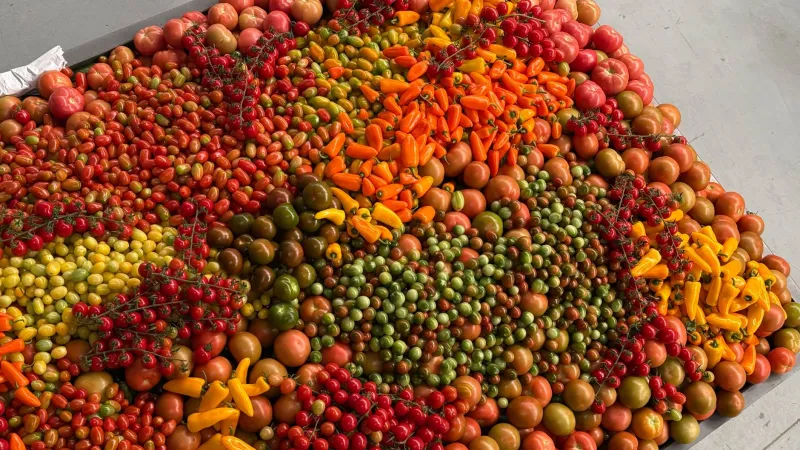
Ask your grandmother about the tomatoes she grew up eating and watch her face change. There's a softness that comes over people when they talk about food they can no longer find — a kind of edible nostalgia that sits somewhere between memory and grief. She's not imagining it. Those tomatoes really were different. And they really are gone from most of the places you'd think to look.
But here's the thing: gone from supermarket shelves doesn't mean gone forever.
How We Lost an Entire Flavor Library
For most of American history, regional vegetable varieties thrived because they had to. A tomato grown in the Ozarks needed to handle that specific humidity. A bean cultivated in the Carolina Piedmont had to perform in that particular clay soil. Farmers selected seeds year after year based on flavor, resilience, and how well a variety fed their actual community. The result was an astonishing diversity — food historians estimate that the US once had access to thousands of distinct vegetable varieties that simply don't exist in commercial agriculture today.
Then came industrialization, and with it, a completely different set of priorities.
Shipping vegetables across the country — or the world — requires produce that can survive the journey. Thin-skinned, deeply flavorful heirlooms bruise easily, ripen fast, and don't photograph uniformly. From a logistics standpoint, they're a nightmare. So seed companies and large agricultural operations began systematically favoring varieties bred for durability, uniformity, and shelf life. Flavor wasn't on the scorecard.
The numbers are staggering. According to research from the Rural Advancement Foundation International, we've lost roughly 93% of the seed varieties that existed in the US at the start of the 20th century. That's not an exaggeration — it's a documented collapse of agricultural biodiversity that happened mostly out of public view, one discontinued seed catalog at a time.
The Economics Behind the Disappearance
It wasn't malicious, exactly. It was just money.
Small regional seed companies got absorbed by larger ones. Larger ones got absorbed by agrochemical corporations. By the 1990s and 2000s, a handful of multinational companies controlled a majority of the commercial seed market. Varieties that couldn't be patented, scaled, or made herbicide-resistant got quietly dropped. The Mortgage Lifter tomato, the Dragon Tongue bean, the Fordhook Lima — these weren't glamorous to a boardroom.
At the same time, supermarket chains consolidated purchasing power and demanded consistent appearance from their suppliers. A potato that came in three different sizes and two shades of skin was a supply chain problem. Farmers who wanted shelf space had to grow what the grocery buyers wanted, which meant planting the same narrow roster of approved varieties everyone else was planting.
The consumer never really got a vote.
What Actually Disappeared
Let's get specific, because the losses are worth naming.
The Brandywine tomato — a large, ribbed, intensely sweet variety with roots going back to the late 1800s — all but vanished from commercial production for decades. The Purple Viking potato, with its vivid marbled flesh and nutty flavor, became nearly impossible to find outside specialty growers. The Mortgage Lifter tomato (so named because a West Virginia farmer paid off his farm by selling the seedlings) survived only because backyard gardeners kept saving its seeds through lean years.
Then there are the ones most Americans have never even heard of: the Tennis Ball lettuce Thomas Jefferson grew at Monticello, the Aunt Mary's Paste tomato, the Cocozelle zucchini, dozens of regional dry bean varieties that fed entire communities for generations. They didn't make the cut for industrial agriculture, so they faded.
The Revival Is Real — and It's Growing
Here's where the story turns.
A passionate, scrappy network of farmers, seed savers, and food activists has spent the last few decades doing the slow work of bringing these varieties back. And if you know where to look, you can find them.
Seed catalogs are one of the best starting points. Baker Creek Heirloom Seeds out of Missouri has become something of a legend in this space, offering hundreds of open-pollinated, non-GMO varieties that you genuinely cannot find at a big-box garden center. Seed Savers Exchange, a nonprofit based in Iowa, maintains a living seed bank of over 20,000 varieties and sells to the public. Fedco Seeds in Maine specializes in cold-climate heirlooms with deep New England roots. These aren't fringe operations — they're thriving businesses powered by people who care deeply about agricultural diversity.
Community seed libraries are popping up in public libraries, community centers, and food co-ops across the country. The concept is beautifully simple: you check out seeds, grow them, save the seeds at the end of the season, and return them. It's a commons-based model that keeps rare varieties circulating through local communities without anyone needing to spend much money. Search "seed library near me" and you might be surprised what turns up.
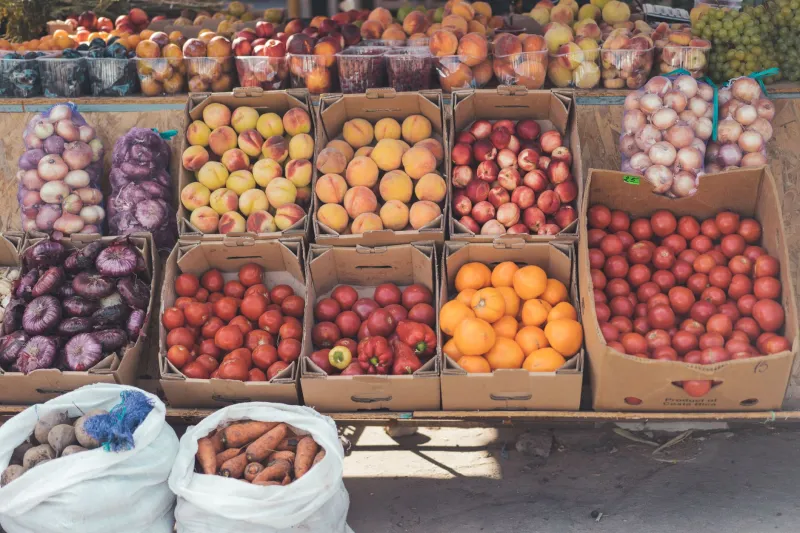
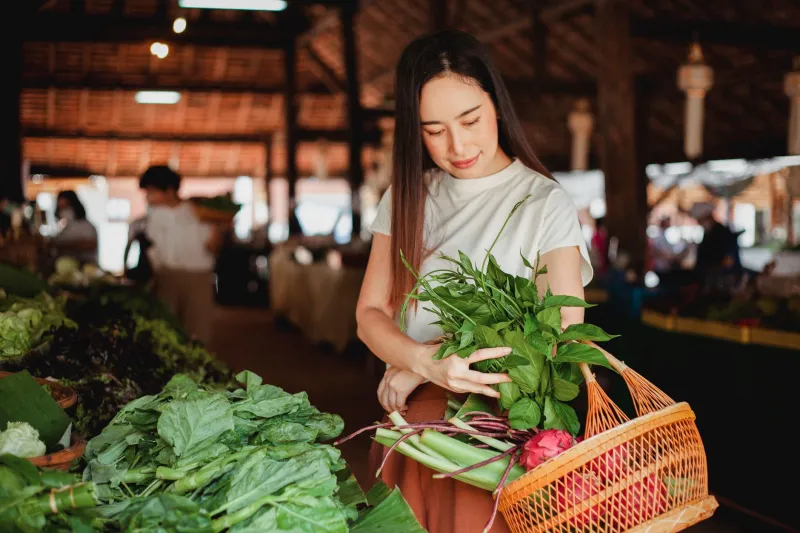
Specialty farmers markets are another gold mine. Small organic farms — the kind that prioritize flavor and biodiversity over yield uniformity — are often the ones growing the weird stuff. The lumpy purple tomato, the striped beet, the finger-length cucumber with the thin, edible skin. If you see something at a market that you don't recognize, ask about it. Farmers who grow heirlooms love talking about them.
CSA memberships with small organic farms often include surprise varieties you'd never encounter otherwise. Some farms specifically build their growing plans around heirloom and heritage varieties, treating their fields like a living museum of agricultural history.
Why This Matters Beyond Nostalgia
This isn't just about chasing a flavor memory, though that's a completely valid reason on its own. Genetic diversity in our food supply is a genuine resilience issue. Monoculture agriculture — vast fields of a single variety — is catastrophically vulnerable to disease, climate shifts, and pest pressure. The Irish Potato Famine was, at its core, a monoculture failure. The more variety we maintain in our cultivated plants, the more options we have when conditions change.
Beyond that, many heirloom varieties were bred specifically for nutrient density and flavor, not transportability. Some research suggests that older varieties contain higher concentrations of certain antioxidants and phytonutrients — which tracks with why they taste more complex. Flavor, after all, is often just your palate detecting chemistry.
Your Next Step
You don't have to grow your own food to participate in this revival (though if you have even a small outdoor space or a sunny window, a packet of heirloom seeds is one of the best investments you can make this spring). Shopping at farmers markets, joining a CSA, and supporting seed-saving organizations all contribute to keeping these varieties alive.
The flavor graveyard is real. But so is the garden growing just outside its walls.
At Kelly Tee Garden Organics, we believe food should tell a story — about the soil it came from, the hands that tended it, and the generations that loved it before us. The vegetables your grandparents raved about aren't entirely gone. They're just waiting for someone to go looking.