No Yard, No Problem: What Urban Gardeners Are Actually Harvesting From Balconies and Windowsills Across America
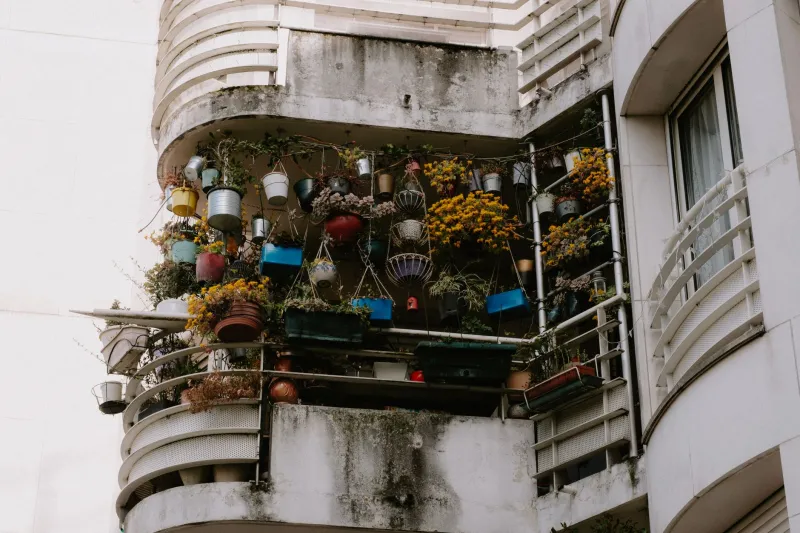
Marcus lives in a 700-square-foot apartment on the fourth floor of a building in Denver. His balcony is 40 square feet. Last summer, he grew enough cherry tomatoes, basil, and salad greens to meaningfully reduce his grocery spending from June through September — and he gave bags of tomatoes to three of his neighbors.
There's nothing exceptional about Marcus's situation except that he stopped believing the story that growing food requires acreage.
Across the US, urban and apartment-dwelling gardeners are quietly disproving the myth that meaningful home food production is a rural privilege. The yields aren't going to make anyone fully self-sufficient, and we won't pretend otherwise. But they're real, they're measurable, and in many cases they're surprisingly substantial — especially when you match the right crops to the right conditions.
Why This Moment Is Different
Container gardening isn't new. What's changed is the combination of better growing media, more variety-specific seed development for compact spaces, and a generation of urban growers sharing hard data about what actually works — not just what looks good on Instagram.
The vertical gardening movement has also matured past its gimmicky early phase. Wall-mounted pocket planters, stacked tower gardens, and tiered planter systems have been tested in real apartments by real people, and the results are increasingly documented with enough specificity to be useful.
At Kelly Tee Garden Organics, we believe the most radical food act you can take is growing some of your own — even if "some" means a few handfuls of herbs and a dozen tomatoes. Every bite you grow yourself is a bite that didn't require a supply chain, a refrigerated truck, or a label you have to decode.
What You Can Realistically Expect: A Climate Zone Breakdown
Yield potential varies significantly based on where you live, how much direct sunlight your space gets, and which crops you choose. Here's a practical breakdown by broad US climate region:
Pacific Coast (USDA Zones 9-10: California, Oregon, Washington coastal areas)
You're working with one of the most forgiving climates for container growing in the country. Mild temperatures and long shoulder seasons mean many crops can produce nearly year-round with protection.
Realistic balcony or patio yields (per growing season, per 10 sq ft of container space):
- Cherry tomatoes: 15-25 lbs from 2-3 containers
- Lettuce and salad mix: continuous harvest yielding roughly 1-2 lbs per week for 4-6 months
- Herbs (basil, cilantro, parsley): enough to eliminate purchasing fresh herbs almost entirely
- Peppers: 8-15 lbs per plant in a 5-gallon container
The main limitation on the coast is often wind and fog rather than temperature. Varieties bred for cooler conditions — like Stupice tomatoes or Shishito peppers — outperform heat-loving varieties in foggy coastal microclimates.
Sun Belt and Southwest (Zones 8-10: Texas, Arizona, New Mexico, Southern California inland)
Intense heat creates a split growing season — spring and fall are your productive windows, with summer reserved for heat-tolerant crops only.
Seasonal strategy matters here more than anywhere else. Cool-season crops like lettuce, kale, and spinach thrive in spring and fall but bolt quickly in summer heat. Focus your spring window on salad crops, then transition to heat-tolerant herbs like rosemary, thyme, and oregano through summer.
Realistic yields for a 60 sq ft patio, two seasons:
- Spring lettuce/greens: 10-15 lbs total over 6-8 weeks
- Summer herbs: near-complete replacement of store-bought dried herbs for the household
- Fall tomatoes (short-season varieties like Stupice or Sub-Arctic Plenty): 8-12 lbs
Shade cloth — available cheaply at any garden center — extends your productive season by 4-6 weeks in both directions.
Upper Midwest and Northeast (Zones 5-6: Illinois, Ohio, New York, Pennsylvania, Minnesota)
Shorter growing seasons mean more intentionality, but the results can still be impressive with the right variety selection and a simple cold frame or row cover for season extension.
A 40 sq ft balcony with good southern exposure can yield:
- Determinate tomatoes (Bush Early Girl, Patio): 10-18 lbs per season
- Snap beans in a deep container: 3-5 lbs per 5-gallon pot
- Kale and chard: 1-2 lbs per week from late May through first hard frost
- Green onions and radishes: multiple successions, quick and reliable
The key in colder zones is starting seeds indoors 6-8 weeks before last frost, and choosing varieties with shorter days-to-maturity. A variety that needs 85 days to produce tomatoes will fail where a 65-day variety thrives.
Southeast (Zones 7-9: Georgia, Florida, the Carolinas, Louisiana)
Humidity and heat are your main variables. Disease pressure is higher, which makes choosing disease-resistant varieties especially important in container situations where plants are crowded.
Strong performers for southeastern balconies:
- Sweet potatoes in large fabric bags (25-gallon): 5-10 lbs per bag — genuinely one of the best space-to-yield crops in warm climates
- Okra: extremely productive in heat, can reach 2-3 lbs per week from a single large container at peak season
- Herbs: basil, lemongrass, and culinary ginger thrive and can be harvested almost year-round
Windowsill Growing: Smaller Scale, Still Real Value
Not everyone has a balcony. But a south-facing window with 4-6 hours of direct light is enough to grow a genuine supply of herbs — and herbs are where the economics of home growing are most compelling.
A 4-inch pot of basil from the grocery store costs $3-4 and lasts maybe a week before it declines. A basil plant grown from seed ($1-2 for a packet containing 50+ seeds) in a 6-inch pot on your windowsill can produce continuously for months with regular harvesting. The math is stark.
Beyond herbs, microgreens are the most productive windowsill crop by nutritional density per square inch. A 10x20-inch tray of sunflower shoots or pea shoots can be harvested in 10-14 days, yielding 4-6 oz of intensely nutritious greens per cycle. You can run 3-4 trays on a rotation and have fresh microgreens available every week year-round.
The Real Cost Comparison
Let's be honest about the economics. Container gardening has upfront costs — pots, quality potting mix, seeds, maybe a bag or two of organic fertilizer. A realistic first-season setup for a 40-50 sq ft balcony might run $80-150.
But that same setup, managed well, can produce $300-500 worth of produce at farmers market prices over a season — and the infrastructure largely carries over to the following year. By year two, your per-season cost drops to $20-40 in seeds and soil amendments.
More importantly, what you're growing at home is as fresh as food can possibly be. Harvested minutes before you eat it. No supply chain. No cold storage. No question about what was sprayed on it, because you're the one who chose not to spray anything.
Starting Points That Actually Work
If you're new to this, don't try to grow everything at once. Start with these three categories and build from there:
-
Herbs first. They're cheap to start, fast to produce, and the quality difference between homegrown and store-bought is immediate and obvious. Basil, cilantro, and chives are foolproof beginners.
-
Cherry tomatoes second. They're more forgiving than large slicing tomatoes, produce prolifically in containers, and the flavor gap between homegrown and supermarket is the most dramatic of any vegetable you can grow.
-
One leafy green. Kale, chard, or a salad mix. These are cut-and-come-again crops — you harvest the outer leaves and the plant keeps producing. One well-maintained container can supplement your salads for months.
Marcus started with exactly these three things. Two years later, he's running a small seed swap with five other residents in his building, and his 40-square-foot balcony looks like a very productive corner of a very good farm.
The land you don't have is not the obstacle. The first pot you plant is.