What Breeding for the Shelf Took Away from Your Plate: The Flavor Science of Heirloom Produce
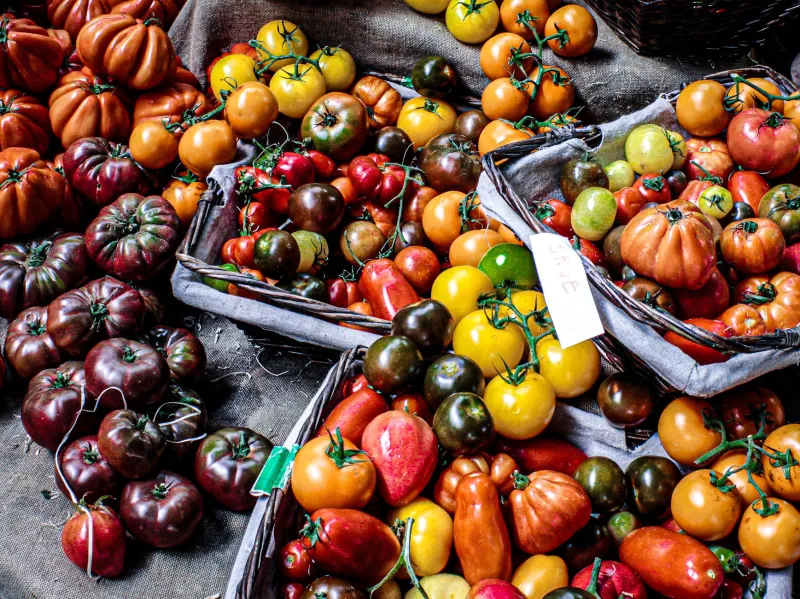
Bite into a Brandywine tomato at the peak of summer and something almost unfair happens. It's acidic and sweet at the same time, almost winey, with a depth that lingers long after you've swallowed. Now compare that to the pale pink orb you pulled from a clamshell at the grocery store last January. Same vegetable. Completely different experience.
That gap isn't nostalgia. It's biochemistry — and plant scientists are finally putting hard numbers to what your taste buds have been quietly protesting for decades.
The Molecules Behind the Magic
Flavor isn't one thing. It's a symphony of chemical compounds hitting your nose and palate simultaneously. In tomatoes, for example, the experience you'd call "tomato-ness" is produced by a blend of natural sugars (primarily fructose and glucose), organic acids like citric and malic acid, and a cocktail of volatile aromatic compounds — chemicals that evaporate at room temperature and travel directly to your olfactory receptors.
Researchers at the University of Florida identified over 400 volatile compounds in tomatoes, but only about 15 to 29 of them actually register as flavor-relevant to the human nose. Critically, a 2017 study published in Science found that modern commercial tomato varieties had lost significant concentrations of 13 of those key volatiles compared to older cultivars — including compounds like geranial, which contributes floral notes, and guaiacol, responsible for that deep, slightly smoky undertone.
The sugar-acid balance matters just as much. Heirloom varieties like Cherokee Purple and Green Zebra tend to carry higher levels of both sugars and acids simultaneously, which creates that complex push-pull of sweetness and brightness. Commercial hybrids, bred to taste "acceptable" rather than exceptional, often end up in a flattened middle ground — not very sweet, not very acidic, not very much of anything.
How We Got Here: The Breeding Bargain
Nobody set out to make food taste worse. The decisions that led us here were practical ones, made under real economic pressure.
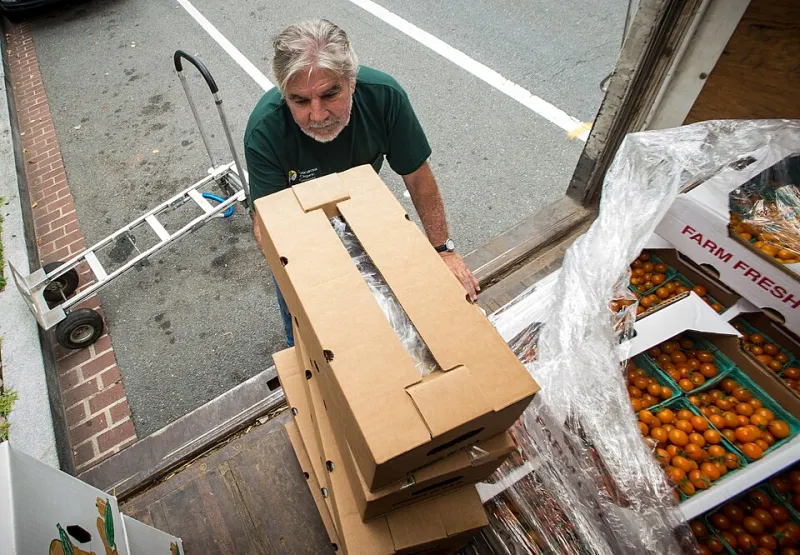
Starting in the mid-20th century, plant breeders began selecting tomato varieties for traits that had nothing to do with flavor: uniform size and color for easier sorting, thick skin to survive mechanical harvesting, firm flesh that wouldn't bruise during the 1,500-mile journey from a California or Florida field to a Midwestern grocery shelf, and a long shelf life that gave retailers a comfortable sales window.
The problem is that many of the genes controlling those commercial traits are genetically linked — sometimes literally on the same chromosome — to the genes that govern flavor compound production. When breeders selected for thick skin and slow ripening, they were inadvertently selecting against the enzymatic activity that produces aromatic volatiles. When they bred for high water content and uniform color, they diluted the concentration of sugars and acids per bite.
Dr. Harry Klee, a plant molecular biologist at the University of Florida who has spent years mapping tomato flavor genetics, has described it plainly: the industry optimized for everything except what consumers actually care about when they eat the thing.
Heirlooms Didn't Have That Problem — Because Nobody Was Paying for Shelf Life
Heirloom varieties — loosely defined as open-pollinated cultivars that predate the industrialization of agriculture, typically before the 1950s — were selected for a completely different set of priorities. Home gardeners and small farmers chose seeds based on how the food tasted, how it performed in their specific regional climate, and whether it produced reliably year after year.
That selection pressure, applied over generations, concentrated exactly the compounds that make food interesting to eat.
Carolyn Male, author of 100 Heirloom Tomatoes for the American Garden, has noted that heritage varieties often display what she calls "regional flavor memory" — taste profiles shaped by the specific soils and climates where they were developed over decades. A Mortgage Lifter tomato, developed in West Virginia by a gardener named Radiator Charlie in the 1930s, carries a distinctly meaty sweetness that reflects both its genetics and its origins. That character doesn't survive the standardization process of commercial breeding.
The same principle applies beyond tomatoes. Heirloom corn varieties like Glass Gem carry anthocyanins — the same antioxidant pigments found in blueberries — that give them their spectacular coloring and a nutty, complex flavor. Modern sweet corn has been bred for maximum sugar and rapid conversion, which is why it's sweet but one-dimensional. Purple Dragon carrots, which we've written about before, contain significantly higher concentrations of both beta-carotene and anthocyanins than their orange supermarket counterparts, producing a flavor that's simultaneously earthier and more complex.
What a Side-by-Side Taste Test Actually Reveals
We put this to a practical test at a small farm stand in the mid-Atlantic region, comparing three heirloom varieties against their commercial equivalents with a group of volunteers who weren't told which was which.
The results were striking. Across tomatoes, peppers, and lettuce varieties, participants consistently described the heirloom samples using words like "complex," "bright," "earthy," and "lingering." The commercial samples got words like "mild," "watery," and — repeatedly — "fine."
Nobody called the commercial produce bad. They just called it unremarkable. Which, when you're talking about food you're putting in your body and paying real money for, is its own kind of disappointment.
The Good News: Flavor Is Recoverable
The research community isn't just diagnosing the problem — they're working on solutions. Dr. Klee's lab has spent years backcrossing flavor-positive traits from heirloom tomatoes into higher-yielding, disease-resistant commercial lines. The goal is a tomato that can survive the supply chain without sacrificing what makes it worth eating in the first place.
But you don't have to wait for the commercial industry to catch up. Farmers markets and CSA boxes from small organic farms are already your most reliable access point to heirloom and heritage varieties. Seed libraries and community seed swaps — increasingly common across the US — let home gardeners grow these varieties themselves, even in small spaces.
The flavor underground has been there all along. It just requires knowing where to look — and being willing to eat a tomato that doesn't look like a perfect red sphere.
Start Simple: Three Heirloom Swaps Worth Making
If you're new to heirloom produce, start with these high-impact swaps:
- Tomatoes: Try Brandywine or Cherokee Purple from a local farm stand instead of Roma or beefsteak from the supermarket. The difference is immediate.
- Garlic: Hardneck varieties like Chesnok Red or Music, available at many farmers markets, have a complexity that grocery store softneck garlic simply doesn't.
- Lettuce: Forellenschluss (Trout's Back) or Flashy Trout's Back lettuces have a buttery richness that iceberg and even romaine can't touch.
Your taste buds already know something is missing. Now you know why — and what to do about it.